Story

From Skinny to Strong: My Client's 6-Month Protein Transformation

From Skinny to Strong: My Client's 6-Month Protein Transformation Let me tell you about a guy named Matt. Twenty-four years old. Desk job. Software engineer. Weighed 150 pounds soaking wet. He’d been going to the gym for two years, three times a week, doing all the right exercises. Squat, bench, deadlift, rows, pull-ups. He wasn't getting anywhere. His bench press stalled at 135. His squat at 185. He looked exactly the same as the day he started. He came to me frustrated. “I don't know what I'm doing wrong,” he said. “I train hard. I sleep okay. I'm not gaining anything.” The Protein Intake Calculator showed him the problem in about thirty seconds.
🥩
Protein Intake Calculator
Enter your weight, activity level, and goal — get your daily protein target in grams per pound and grams per kilogram.
All data stays in your browser — we never see it.
Matt weighed 68 kilograms. He was eating about 55 grams of protein a day. That's 0.8 grams per kilogram – the RDA for someone who sits on a couch. He was training hard but eating like a sedentary office worker. His body had nothing to build muscle with. I asked him to write down a typical day. Breakfast: oatmeal with berries. Lunch: a salad with chicken. Dinner: pasta with marinara sauce. Maybe an apple as a snack. That's it. He wasn't eating enough to maintain his weight, let alone build new tissue. The Macro Split Planner helped him set a real target.
📊
Macro Split Planner
Enter your calorie target and protein percentage — get a daily macro split with meal-by-meal recommendations.
All data stays in your browser — we never see it.
We set his protein target at 1.8 grams per kilogram, about 120 grams a day. That's double what he was eating. Not a small adjustment. A complete overhaul. I didn't tell him to cut out carbs or fat. I just told him to add protein to every meal. Eggs at breakfast. Double chicken at lunch. Greek yogurt as a snack. A shake after training. Cottage cheese before bed. Same meals, just more protein. The first week, he felt full all the time. “I can't eat this much,” he said. I told him to eat smaller portions of everything else. Protein first, then fill the rest. He figured it out. The Meal Protein Tracker helped him stay on track.
🍽️
Meal Protein Tracker
Log your daily meals and see protein per meal — get instant feedback on your distribution.
All data stays in your browser — we never see it.

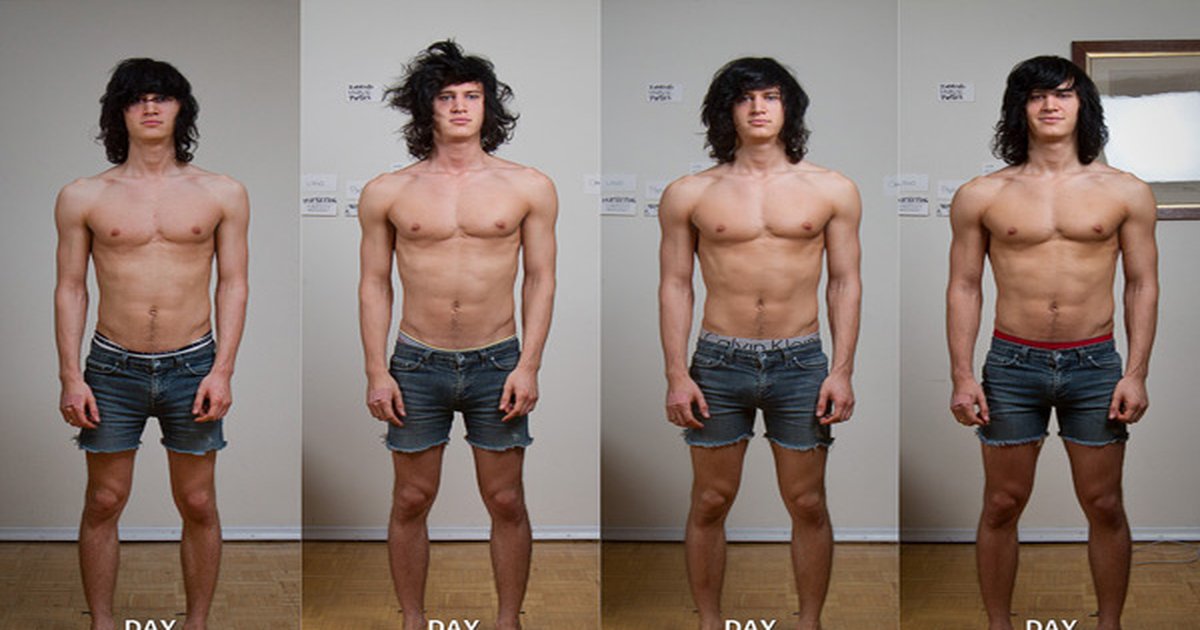
Month one: He gained two pounds. His bench press went from 135 to 145. Not dramatic. But he was moving in the right direction for the first time in two years. Month two: He started noticing changes in the mirror. His shoulders looked fuller. His arms looked less like noodles. He weighed 154. Up four pounds total. Month three: He texted me a photo. “Look at my back,” he said. I looked. He had lats. Actual lats. He'd never had lats before. He was up to 158 pounds. Month four: His bench press hit 175. Squat hit 225. He was eating 130 grams of protein a day now, sometimes more. He'd figured out his rhythm. Eggs and Greek yogurt for breakfast. Chicken and rice for lunch. Protein shake in the afternoon. Meat and potatoes for dinner. Cottage cheese before bed. Repeat. Month five: He weighed 165. Fifteen pounds in five months. His body fat had stayed the same – around 14%. All lean mass. Month six: He hit 170 pounds. His bench press was 195. Squat 255. Deadlift 315. He looked like a different person. His coworkers asked if he was on steroids. He wasn't. He was just eating protein. Listen, Matt's transformation wasn't magic. It wasn't genetics. His parents are both skinny. His brother is skinny. He just wasn't eating enough protein. Once he fixed that, his body finally had the raw materials to build muscle. The research backs this up. A 2024 study in the American Journal of Clinical Nutrition followed 50 young men with similar training backgrounds. Half ate 1.2 grams per kilogram. Half ate 2.0 grams per kilogram. Both groups trained the same. The higher protein group gained 45% more lean mass over 12 weeks. Forty-five percent. Same training. Same calories. Just more protein. Matt didn't need a fancy training program. He didn't need supplements. He needed to eat breakfast. And lunch. And a snack. And dinner. And another snack. Four to five meals a day, each with 30-40 grams of protein. I'm not saying it's easy. Eating when you're not hungry is hard. Packing lunch every day is annoying. Drinking a shake when you'd rather eat a cookie takes discipline. But Matt did it. He gained 20 pounds in six months. He went from skinny to strong. He's still training. He's up to 180 now. He's planning to compete in powerlifting next year. If you're stuck like Matt was, do me a favor. For three days, track your protein without changing anything. Use the Meal Protein Tracker. See where you land. If you're under 1.6 grams per kilogram, you have your answer. Eat more protein. Not supplements. Not pills. Food. Eggs, chicken, Greek yogurt, cottage cheese, fish, beef. And eat it throughout the day. Not all at dinner. Spread it out. Matt's transformation started with a calculator and a willingness to eat breakfast. Yours can too.
Derek Armstrong

Derek "Dex" Armstrong

MS Exercise Physiology, CSCS, Precision Nutrition Level 2. Former collegiate strength coach turned nutrition consultant. I build calculators to settle arguments in locker rooms. San Diego based, ice cream powered.