Tutorial

A Step-by-Step Guide to Tracking Macros Without Losing Your Mind

A Step-by-Step Guide to Tracking Macros Without Losing Your Mind Listen, I get it. Opening your phone to log every meal feels tedious. You forget to weigh your chicken. You guess the portion size. You skip the oil because it's “just a splash.” Then you wonder why you're not making progress. I've been tracking macros for over a decade. I've used every app. MyMacros+, MacroFactor, Carbon, MyFitnessPal, Cronometer. I've made every mistake. I've fallen off the wagon. I've gotten back on. And I've learned that tracking doesn't have to be miserable. The Protein Intake Calculator is where you start, not where you end.
🥩
Protein Intake Calculator
Enter your weight, activity level, and goal — get your daily protein target in grams per pound and grams per kilogram.
All data stays in your browser — we never see it.
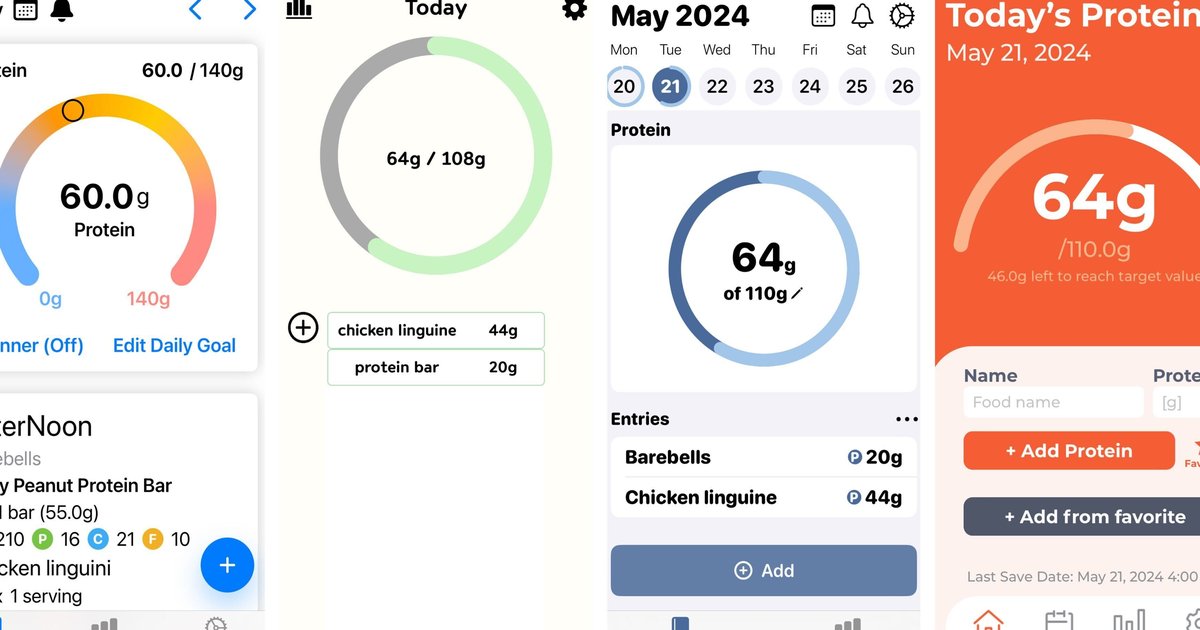
Let me break down a tracking system that won't make you want to throw your phone at the wall. This is the same system I use with all my clients. It works for busy professionals, college students, parents, and people who hate spreadsheets. Step one: Pick your app wisely. Not all apps are created equal. MyMacros+ has a massive food database and a barcode scanner that actually works. MacroFactor has an adaptive algorithm that adjusts your calories based on your weight trend. Carbon is coached, meaning it tells you what to change each week. MyFitnessPal is free but loaded with user-submitted errors. Cronometer is best for micronutrient nerds. I use MyMacros+ for most clients because it's simple and cheap. $3 a month. No ads. No nonsense. Step two: Set your protein target first. Don't start with calories. Start with protein. Lock it in. The rest will follow. Use the calculator to find your number. Say you're 180 pounds and want to build muscle. That's 144 to 180 grams of protein per day. Set your target at 160 grams to start. Then build your meals around that number. The Macro Split Planner can help you set your protein first, then adjust carbs and fat.
📊
Macro Split Planner
Enter your calorie target and protein percentage — get a daily macro split with meal-by-meal recommendations.
All data stays in your browser — we never see it.
Step three: Log for three days without changing anything. This is the most important step. Don't try to eat perfectly. Don't restrict. Just eat normally and log everything. Every bite. Every splash of oil. Every handful of almonds. Most people are shocked by the results. They think they're eating 150 grams of protein. They're actually eating 90. They think they're eating 2,500 calories. They're actually eating 3,200. The data doesn't lie. The Meal Protein Tracker is perfect for this audit phase.
🍽️
Meal Protein Tracker
Log your daily meals and see protein per meal — get instant feedback on your distribution.
All data stays in your browser — we never see it.
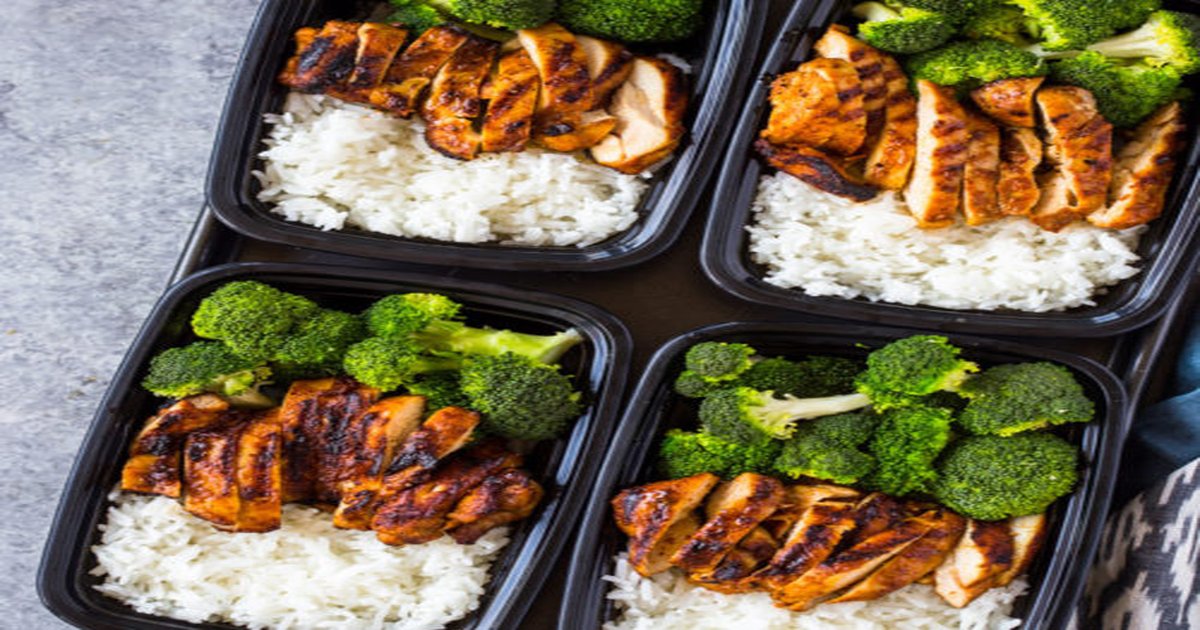
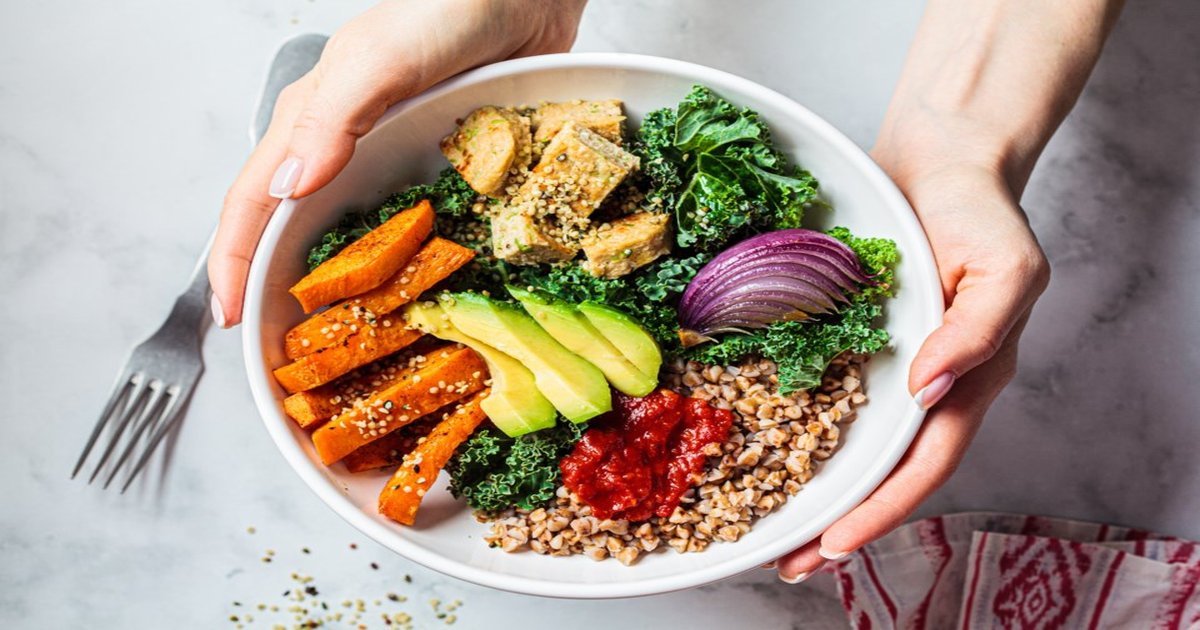
Step four: Identify your biggest gap. For most people, it's protein, especially at breakfast and lunch. You eat a carb-heavy breakfast – oatmeal, toast, cereal, a bagel. Lunch is a sandwich or salad with barely any meat. Then you crush a huge dinner and wonder why you're not growing. The fix is simple: add protein to breakfast and lunch. Three eggs instead of two. Greek yogurt with your oatmeal. Double the chicken on your sandwich. A protein shake with lunch. I had a client named Rachel who was eating 70 grams of protein a day. She weighed 150 pounds. She was stuck. We added 20 grams at breakfast and 20 grams at lunch. Same dinner. Her total went to 110 grams. Not perfect, but 40 grams better. Within a month, her strength started moving again. Step five: Build three repeatable meals. You don't need to eat different things every day. You need consistency. Pick three breakfasts, three lunches, and three dinners that hit your protein targets. Rotate them. My breakfast rotation: eggs and Greek yogurt, protein oatmeal, cottage cheese with fruit. My lunch rotation: chicken and rice, tuna salad sandwich on whole wheat, leftovers from dinner. My dinner rotation: beef and potatoes, fish and vegetables, chicken stir-fry. That's nine meals. I eat variations of these 90% of the time. I don't get bored because I have sauces and seasoning. But the protein base is the same. Step six: Review weekly, not daily. Stop checking your macros after every meal. It creates anxiety. It makes you obsess over being 2 grams over on fat. Look at your weekly average instead. The research shows that weekly protein intake is just as predictive of muscle growth as daily intake. If you eat 150 grams one day and 180 the next, your body averages out. It doesn't panic. I review my clients' logs on Sunday night. We look at the week. Not Monday. Not Wednesday. The whole week. If they're within 10% of their targets, they're good. If not, we adjust. Troubleshooting common problems Problem: I keep forgetting to log. Solution: Log before you eat, not after. Put your phone on the table. Open the app. Then eat. It becomes a habit. Problem: The barcode scanner is wrong. Solution: Check the entry. User-submitted data is often wrong. Search for the USDA entry instead. It's more accurate. Problem: I don't know how to log restaurant food. Solution: Estimate. Don't stress. Pick a similar chain restaurant's entry. Add 20% for butter and oil. Move on. Problem: I went over my calories. Solution: It's one day. Look at your weekly average. One day doesn't ruin a week. Just get back on track tomorrow. Problem: I'm hungry all the time. Solution: Your protein might be too low. Protein is the most satiating macronutrient. Increase it. Also check your fat – too low can cause hunger. The Protein Source Comparator can help you find more satiating protein sources.
🥩
Protein Source Comparator
Compare cost per gram, leucine content, PDCAAS score, and digestibility across protein sources.
All data stays in your browser — we never see it.
The biggest mistake I see People track perfectly for two weeks, see no change, and quit. Two weeks is nothing. Body composition changes take months. You need at least 8-12 weeks of consistent tracking to see meaningful progress. I had a client named Mark who tracked for 14 weeks. The first four weeks, nothing happened. He wanted to quit. I told him to keep going. Week five, his weight started moving. Week six, his lifts went up. Week eight, his pants fit differently. He told me “I almost gave up right before it started working.” That's the pattern. Most people quit right before the inflection point. What to do when you hit your target Once you can consistently hit your protein target for two weeks, you have a choice. Keep tracking, or stop. Some people need the structure. Others can eyeball it once they have the habit. I track every day. My roommate doesn't track at all. He eats the same meals every day. He knows what 40 grams of protein looks like. He doesn't need the app. Find your own balance. Final thought Tracking macros is not a punishment. It's a tool. It's like a GPS. You don't use it because you love staring at a map. You use it because you want to get somewhere. The Protein Intake Calculator is your destination. The Macro Split Planner is your route. The Meal Protein Tracker is your speedometer. Use them. Don't let them use you.
Derek Armstrong

Derek "Dex" Armstrong

MS Exercise Physiology, CSCS, Precision Nutrition Level 2. Former collegiate strength coach turned nutrition consultant. I build calculators to settle arguments in locker rooms. San Diego based, ice cream powered.