Tutorial

How to Build a High-Protein Meal Prep Routine for Busy Professionals

How to Build a High-Protein Meal Prep Routine for Busy Professionals The Sunday afternoon kitchen chaos is real. You stare into the fridge. You have chicken, rice, broccoli. You have no idea what to do with any of it. You order takeout. Again. The protein target goes out the window. Your muscles cry silently. I've been there. I used to waste hours every week meal prepping like I was cooking for a restaurant. Six different meals. Color-coded containers. Sauces from scratch. By Sunday night, I was exhausted. By Wednesday, I was eating out because I ran out of food. The Protein Intake Calculator can tell you how much you need. But meal prep is how you actually hit it.
🥩
Protein Intake Calculator
Enter your weight, activity level, and goal — get your daily protein target in grams per pound and grams per kilogram.
All data stays in your browser — we never see it.
Here's the system I've refined over years of coaching busy clients – lawyers, software engineers, nurses, parents. People who don't have time to weigh every gram of rice. The two-hour Sunday prep. That's it. Two hours. Not four. Not six. Two hours from start to clean kitchen. Set a timer. Work fast. Don't scroll your phone. Here's what you do in those two hours. First, pick three protein sources. Not seven. Three. Chicken thighs (cheaper than breasts, juicier, harder to overcook). Lean ground beef (or ground turkey if you prefer). Eggs (hard-boil a dozen for snacks). Cook them in batches. Chicken thighs on a sheet pan – 400 degrees, 25 minutes. Ground beef in a large skillet – 15 minutes, drain fat. Eggs in a pot – boil for 10 minutes, cool in ice water. The Macro Split Planner can help you figure out how much protein you need per meal before you prep.
📊
Macro Split Planner
Enter your calorie target and protein percentage — get a daily macro split with meal-by-meal recommendations.
All data stays in your browser — we never see it.
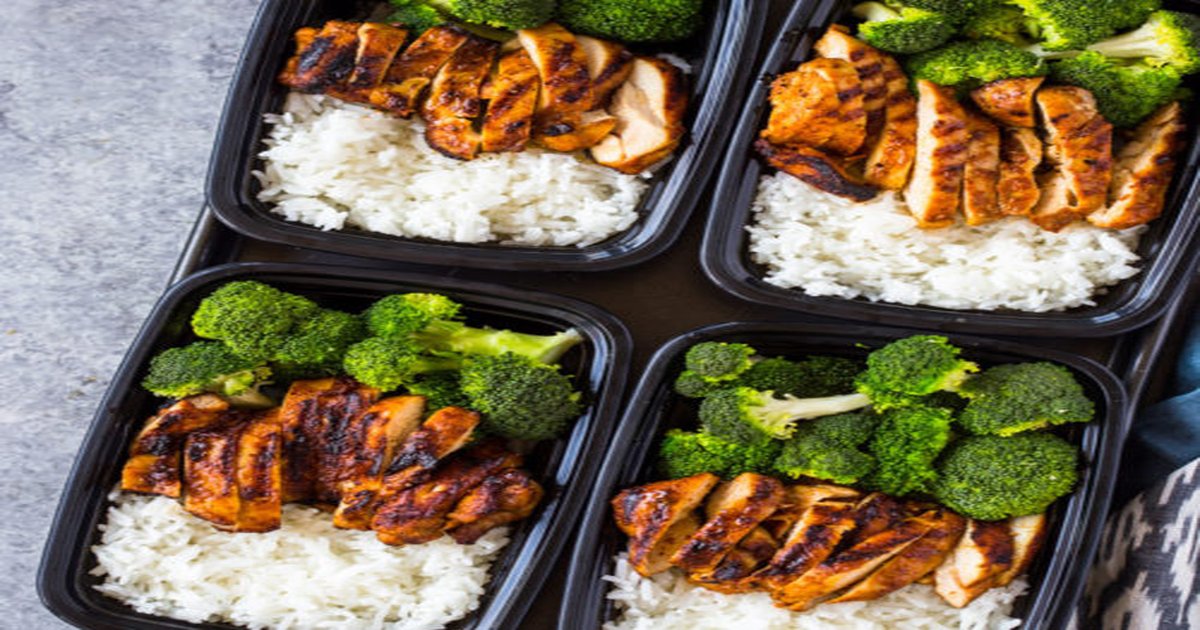
Second, pick two carb sources. Rice in a rice cooker (set it and forget it). Potatoes (sweet or regular – roast them on a second sheet pan while the chicken cooks). That's it. You don't need quinoa and couscous and wild rice and ancient grains. Rice and potatoes work. Third, pick two vegetable sources. Frozen broccoli florets (already chopped, already washed, cheap). A bag of mixed bell peppers and onions (frozen or fresh – whatever you'll actually eat). Roast them or microwave them. Don't get fancy. Now you have your components. Here's how to assemble five days of lunches in five minutes. Get five containers. Put 6 ounces of chicken in each. That's about 50 grams of protein. Add 1 cup of rice (about 40 grams of carbs). Add 1 cup of roasted broccoli. That's lunch. Done. Repeat for dinner. Different protein – ground beef. Same carb and veg. Or mix it up if you want. The Meal Protein Tracker can help you log your prepped meals in seconds.
🍽️
Meal Protein Tracker
Log your daily meals and see protein per meal — get instant feedback on your distribution.
All data stays in your browser — we never see it.
The emergency backup plan Life happens. You forget your lunch at home. Your meeting runs long. You're stuck at the airport. Don't skip protein. Have a backup. Keep protein powder in your desk drawer. One scoop, 25 grams. Mix with water. It's not fun. It's not food. It's fuel. It works. Keep canned tuna or salmon in your bag. Pouch, not can (no can opener needed). 20 grams of protein. Eat it with crackers or alone. Keep beef jerky in your car. Not the fancy kind. The cheap kind. Read the label – some have added sugar. 10 grams per serving. The Protein Source Comparator can help you find the best emergency protein options for your budget.
🥩
Protein Source Comparator
Compare cost per gram, leucine content, PDCAAS score, and digestibility across protein sources.
All data stays in your browser — we never see it.
What about breakfast? You don't need to meal prep breakfast. Keep it simple. Greek yogurt – single-serving cups, 15 grams. Hard-boiled eggs – you already made them. Cottage cheese – 14 grams per half cup. Protein oatmeal – add a scoop of powder to instant oats. My typical breakfast takes two minutes. Greek yogurt, handful of berries, scoop of protein powder. 35 grams of protein. Done. Sample day from my own rotation Breakfast (7 AM): Greek yogurt + protein powder – 35g Morning snack (10 AM): Hard-boiled eggs (2) – 12g Lunch (12:30 PM): Chicken + rice + broccoli – 50g Afternoon snack (3 PM): Protein shake – 25g Dinner (6:30 PM): Ground beef + potatoes + peppers – 50g Pre-sleep (9 PM): Cottage cheese – 14g Total: 186 grams. That's a 180-pound person's target right there. The cost breakdown People tell me they can't afford this. Let's do the math. Chicken thighs – $2.50 per pound on sale. 6 ounces per lunch is about $0.95. Ground beef – $4 per pound. 6 ounces per dinner is about $1.50. Eggs – $3 per dozen. Two eggs per day is $0.50. Greek yogurt – $5 for a large tub, lasts five days, $1 per day. Protein powder – $50 for a tub that lasts 50 days, $1 per day. Total protein cost per day: about $5. That's less than a Starbucks latte and a sandwich. Less than takeout once. Less than the pizza you'd order because you didn't prep. The Protein Source Comparator can help you find cheaper protein sources if your budget is tight. Canned tuna is $1 per can, 20 grams. Canned chicken is similar. Lentils are $1 per bag, 18 grams per cup. Eggs are cheap. Cottage cheese is cheap. You can do this on a budget. Storage and reheating tips Chicken dries out in the microwave. Add a tablespoon of water or broth before reheating. Cover with a damp paper towel. Or reheat in a skillet if you have time. Ground beef holds up better. Less moisture loss. Rice gets hard after a few days. Freeze half your prepped rice on day three. Microwave from frozen – it's better. Veggies get mushy. That's fine. You're not eating for texture. You're eating for nutrition. Why most meal prep fails People overcomplicate. They buy 15 ingredients. They make 5 different sauces. They prep for 4 hours. Then they never do it again because it's exhausting. Simple is sustainable. Chicken, rice, broccoli, five days in a row. You don't need variety. You need consistency. Save variety for weekends. I had a client named Tom who was a lawyer. 60-hour weeks. Two kids. He said he didn't have time to meal prep. I asked him how much time he spent scrolling his phone. He didn't answer. We started with two hours on Sunday. He listened to a podcast while he cooked. He made chicken, rice, broccoli. That's it. He brought the same lunch every day for a year. His coworkers made fun of him. Then he got jacked. They stopped making fun. Tom told me “I used to spend $15 a day on lunch. Now I spend $3. I saved $3,000 a year and got in the best shape of my life.” The Sunday night routine Here's my exact routine. Write it down. 3 PM: Start rice in rice cooker. 3:10 PM: Put chicken thighs on sheet pan. Season with salt, pepper, garlic powder. In the oven at 400. 3:15 PM: Put sweet potatoes on another sheet pan. In the oven. 3:20 PM: Start boiling eggs. 3:30 PM: Brown ground beef in skillet. 3:45 PM: Take chicken out. Let it rest. 3:50 PM: Take potatoes out. 3:55 PM: Cool eggs in ice water. 4:00 PM: Portion everything into containers. 4:15 PM: Wash dishes. Done. Two hours from start to finish. I listen to an audiobook or a podcast. It's not work. It's routine. The Meal Protein Tracker can help you log your prepped portions quickly.
🍽️
Meal Protein Tracker
Log your daily meals and see protein per meal — get instant feedback on your distribution.
All data stays in your browser — we never see it.
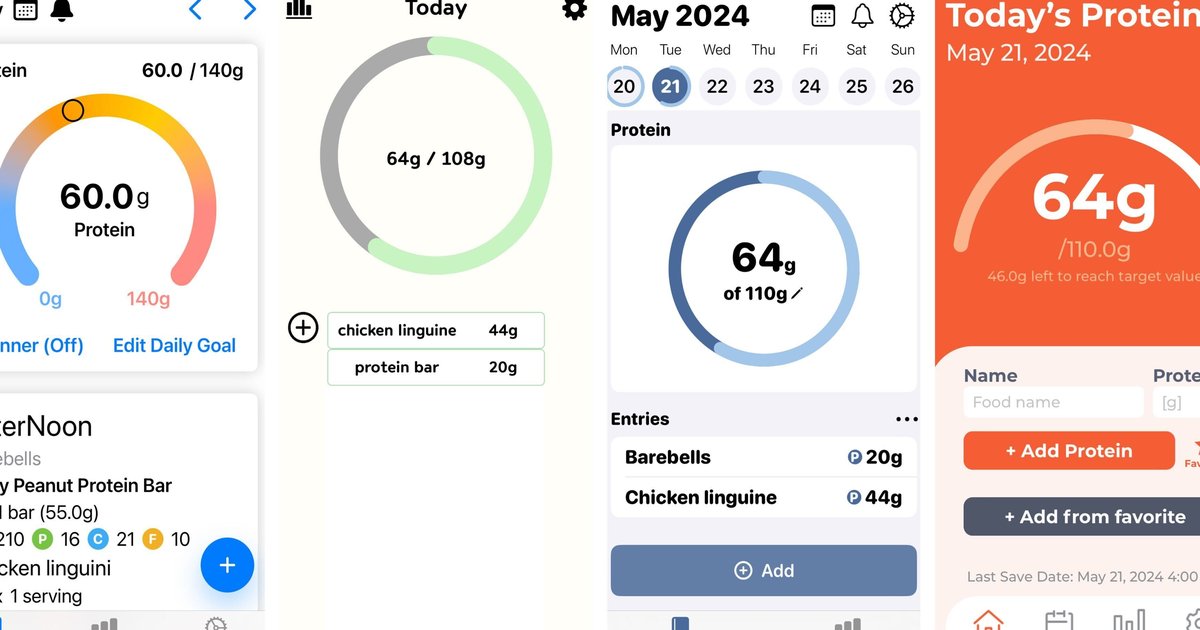
What if you don't have two hours on Sunday? Prep on Wednesday instead. Half the food for half the week. Or buy pre-cooked chicken from the grocery store. Rotisserie chicken is $7 and already cooked. Shred it. Use it for lunches. It's more expensive than DIY but cheaper than takeout. Or use a meal delivery service. Factor, Freshly, Trifecta. They're expensive, but they work. I have clients who use them because their time is worth more than the cost. The point is to have a system. Any system. Not chaos. Final thought Your protein target doesn't mean anything if you don't have food to eat. Meal prep is how you bridge the gap between math and reality. The Protein Intake Calculator gives you the number. The Macro Split Planner gives you the distribution. The Meal Protein Tracker gives you the feedback. But Sunday afternoon gives you the food. Don't let the perfect be the enemy of the fed.
Derek Armstrong

Derek "Dex" Armstrong

MS Exercise Physiology, CSCS, Precision Nutrition Level 2. Former collegiate strength coach turned nutrition consultant. I build calculators to settle arguments in locker rooms. San Diego based, ice cream powered.