Tutorial

How to Calculate Your Exact Protein Needs for Muscle Gain

How to Calculate Your Exact Protein Needs for Muscle Gain Do you actually know how much protein you need? Not what your buddy at the gym told you. Not what the supplement company wants you to believe. Not “a lot” or “more than you're eating.” An actual number. In grams. Per day. Most people don't. They guess. They hope. They eat a chicken breast and call it good. That's like driving to a new city without a map. You might get there eventually. You'll waste a lot of time and gas along the way. The Protein Intake Calculator gives you the number in about thirty seconds.
🥩
Protein Intake Calculator
Enter your weight, activity level, and goal — get your daily protein target in grams per pound and grams per kilogram.
All data stays in your browser — we never see it.
Let me walk you through the actual math. Not bro science. Not magazine articles. The numbers that come from actual research. First, weigh yourself. Not your goal weight. Not the weight you were in college. Your current weight, this morning, after you peed. Write it down. Second, decide your goal. Are you trying to build muscle? Maintain what you have? Lose fat while keeping muscle? Recomp? Each goal has a different protein target. The Macro Split Planner can help you set your numbers based on your goal.
📊
Macro Split Planner
Enter your calorie target and protein percentage — get a daily macro split with meal-by-meal recommendations.
All data stays in your browser — we never see it.
Here's the range. For sedentary adults, 0.8 grams per kilogram of body weight. That's the RDA. That's the minimum to not be deficient. Not to thrive. Not to grow. To not fall apart. For active adults who exercise regularly, 1.2 to 1.6 grams per kilogram. This is the maintenance zone. You're not losing muscle. You're not gaining much. You're treading water. For athletes and people trying to build muscle, 1.6 to 2.2 grams per kilogram. This is the growth zone. Your body has the raw materials to build new tissue. Studies show that anything above 2.2 grams per kilogram doesn't add more benefit. The curve flattens. For people in a calorie deficit trying to lose fat, 1.8 to 2.4 grams per kilogram. When you're cutting, your protein needs go up. Your body is more likely to burn muscle for fuel. Extra protein protects against that. Let me give you real numbers. Say you weigh 80 kilograms, about 175 pounds. If you want to build muscle, you need 128 to 176 grams of protein per day. That's 0.73 to 1.0 grams per pound. That's the same as the 1.6 to 2.2 range. Now, here's where people mess up. They use their lean body mass instead of total weight. Or they use their goal weight instead of current weight. Or they guess. Don't guess. Use your actual weight. The Meal Protein Tracker can help you see if you're actually hitting your target.
🍽️
Meal Protein Tracker
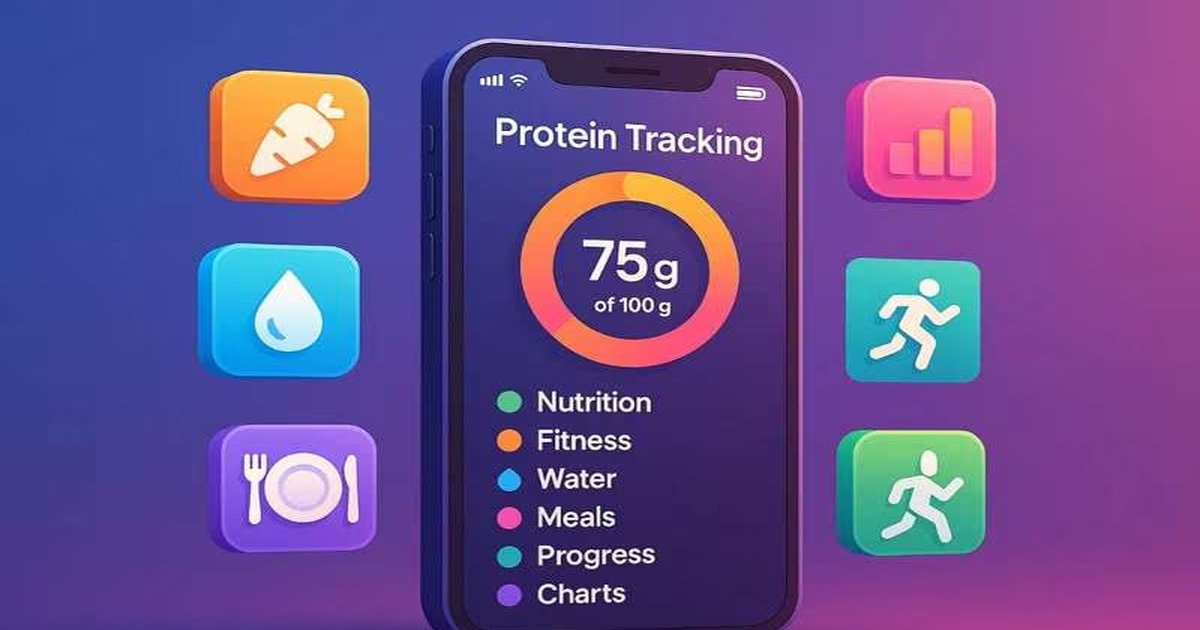
Log your daily meals and see protein per meal — get instant feedback on your distribution.
All data stays in your browser — we never see it.
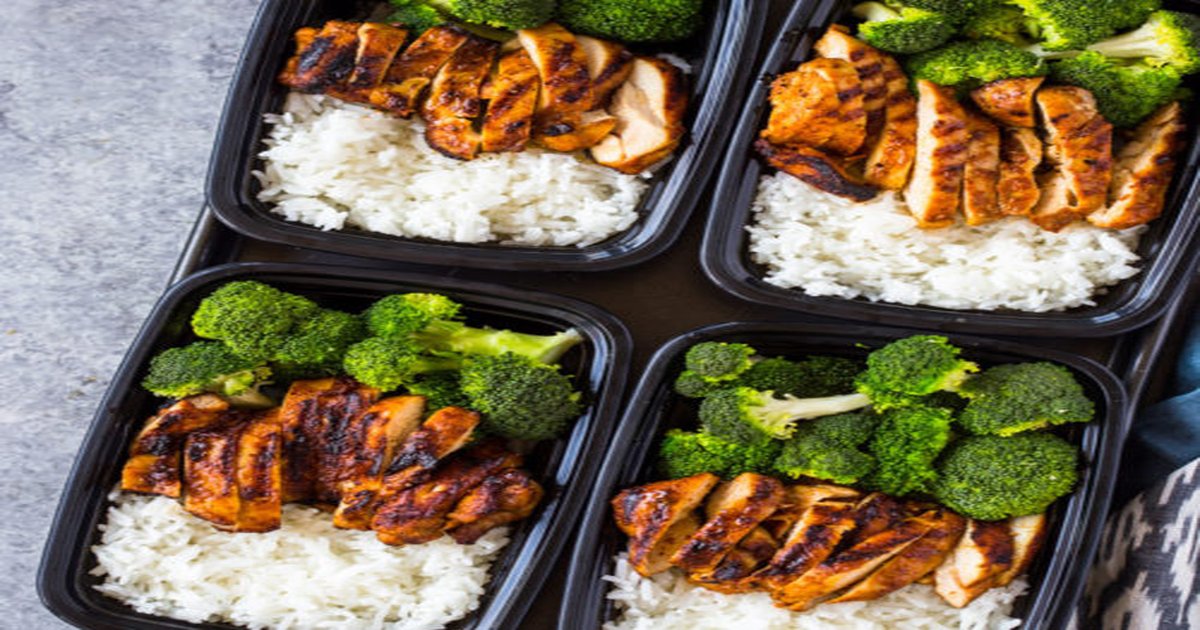
Listen, I've seen people who weigh 200 pounds eating 100 grams of protein a day. They're trying to build muscle. They're working out five times a week. They're drinking protein shakes. But they're not counting. They're not measuring. They're guessing. If you're 200 pounds, you need at least 140 grams. That's 0.7 grams per pound. That's the bottom of the range. That's the minimum effective dose. Most people need closer to 180-200 grams. Let me show you how to hit 180 grams without losing your mind. Breakfast: 4 eggs (24g) + Greek yogurt (15g) = 39g Lunch: 8oz chicken breast (50g) + rice + vegetables = 50g Afternoon snack: Protein shake (25g) + almonds = 25g Dinner: 8oz lean beef (50g) + potatoes + broccoli = 50g Pre-sleep: Cottage cheese (15g) = 15g Total: 179 grams. That's one day. You don't have to eat exactly this. But this is a template. Protein first. Everything else second. The Protein Source Comparator can help you find the cheapest way to hit your target.
🥩
Protein Source Comparator
Compare cost per gram, leucine content, PDCAAS score, and digestibility across protein sources.
All data stays in your browser — we never see it.
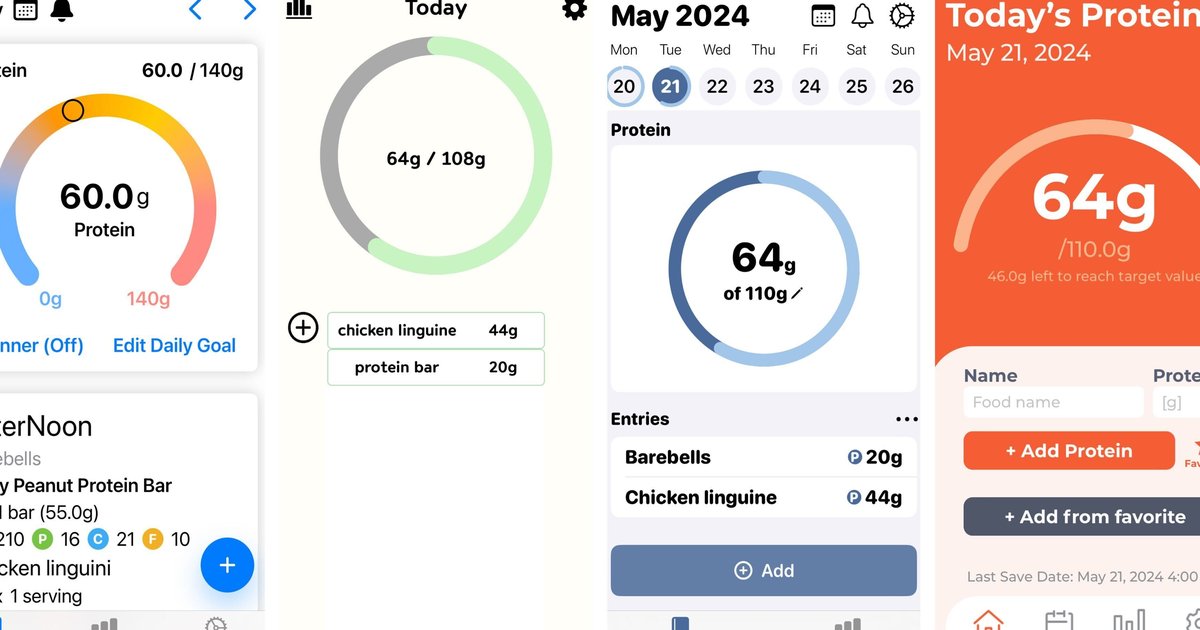
One more thing. Your protein needs change over time. If you gain weight, recalculate. If you increase training volume, recalculate. If you start cutting, recalculate. This isn't a one-and-done number. It's a living target. The Protein Intake Calculator is free. Use it. Write down your number. Stick it on your fridge. Then eat that much protein every day. Not guessing. Not hoping. Actually eating. That's how you grow.
Derek Armstrong

Derek "Dex" Armstrong

MS Exercise Physiology, CSCS, Precision Nutrition Level 2. Former collegiate strength coach turned nutrition consultant. I build calculators to settle arguments in locker rooms. San Diego based, ice cream powered.