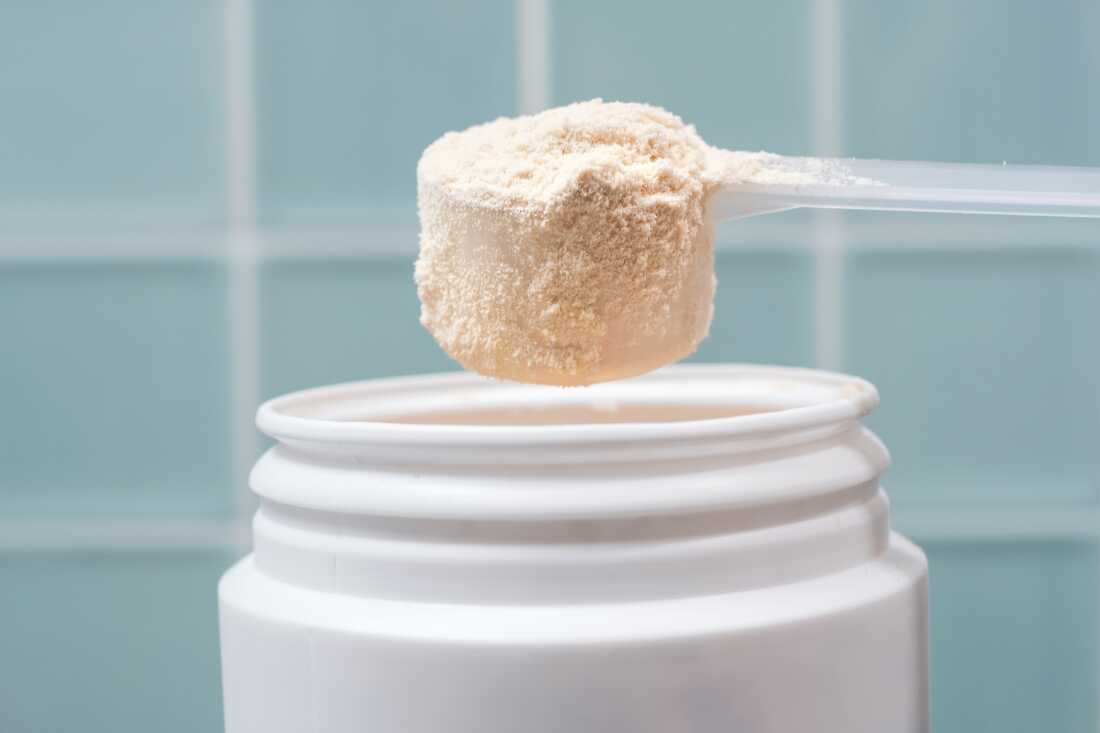
I was scooping my usual vanilla whey into my shaker last Monday when my phone buzzed. FDA alert. Protein powder testing results. Heavy metals detected in 12 brands. I looked at my tub. It was on the list. I looked at the amount. Lead: 2.1 micrograms per serving. Arsenic: 1.8 micrograms. Cadmium: 0.9 micrograms. I had been drinking this every day for two years.
The FDA tested 53 protein powder products in 2026. Twelve failed. Not for bacteria. Not for contaminants. For heavy metals. Lead, arsenic, cadmium, and mercury. The metals accumulate in soil where the protein sources — whey, casein, soy, rice, pea — are grown or raised. And processing concentrates them. A single serving might seem small. But daily use adds up.
I did the math. Two scoops a day. That is 4.2 micrograms of lead daily. Over a year, 1,533 micrograms. The FDA's provisional total tolerable intake level for lead is 75 micrograms per day for adults. So I was well under that. But the EPA's stricter guidelines suggest no safe level for lead. None. And I was consuming it voluntarily, every day, because I thought protein powder was healthy.
The brands that failed were not no-name products. They were popular. They were on Amazon bestseller lists. They were endorsed by influencers with millions of followers. And they contained heavy metals at levels that, while technically "below FDA action levels," were still present in a product marketed as a health supplement.
I threw out my tub. Not because I was poisoned. But because I do not want to accumulate heavy metals over decades. I switched to whole food protein. Greek yogurt. Eggs. Chicken. Fish. Lentils. I get my 130 grams a day without powders. It takes more planning. It costs more time. But it costs less anxiety.
If you use protein powder, check the FDA testing results. Check if your brand was tested. And consider whether whole food protein might be a better long-term choice. Because heavy metals do not show symptoms immediately. They show up in your 50s and 60s, when it is too late to do anything about them.
I also looked into third-party testing. ConsumerLab, NSF Certified for Sport, and Informed Choice all test supplements for heavy metals and contaminants. The brands that passed their testing were not the cheapest. They were not the most marketed. But they were clean. One brand I found had undetectable levels of lead, arsenic, and cadmium. It cost $45 for a 2-pound tub instead of my usual $28. That is $17 more. For peace of mind about heavy metals, I will pay $17.
The problem is that most consumers do not know about third-party testing. They buy based on flavor, price, and Instagram ads. They trust that the FDA is protecting them. The FDA does test supplements, but not proactively. They react to complaints. They issue warnings after problems are found. By then, you have already consumed the product for months or years. The supplement industry is the Wild West, and heavy metals are just one of the dangers.
I also considered plant-based protein powders. Pea, rice, hemp. They are not immune to heavy metals — rice protein often has higher arsenic levels than whey. But some brands source from low-arsenic regions and test rigorously. The key is not the protein source. It is the testing. It is the transparency. It is the willingness of the company to show you their lab results. If they will not show you, do not buy from them. It is that simple.
I also want to mention the serving size issue. The FDA tests found that some brands had acceptable levels per serving, but their serving size was unrealistically small. One scoop? That is 25 grams of protein. Most athletes use two scoops. So the heavy metal exposure doubles. The testing looks good on paper but fails in reality. It is like saying a cigarette has low nicotine if you only smoke half. Nobody smokes half.
The bottom line is this: protein powder is a supplement, not a necessity. If you can get your protein from whole foods, do it. If you need powder for convenience, buy from brands that test and publish results. Pay more for quality. And treat it as a temporary tool, not a daily staple for life. Your future self — the one with clean bloodwork and no heavy metal accumulation — will thank you.
— Sarah Mitchell, Portland, OR
Sarah is a registered dietitian who believes in whole foods over supplements. She threw out her protein powder and does not regret it.
