Concept

What Is the Leucine Threshold and Why Does It Matter?

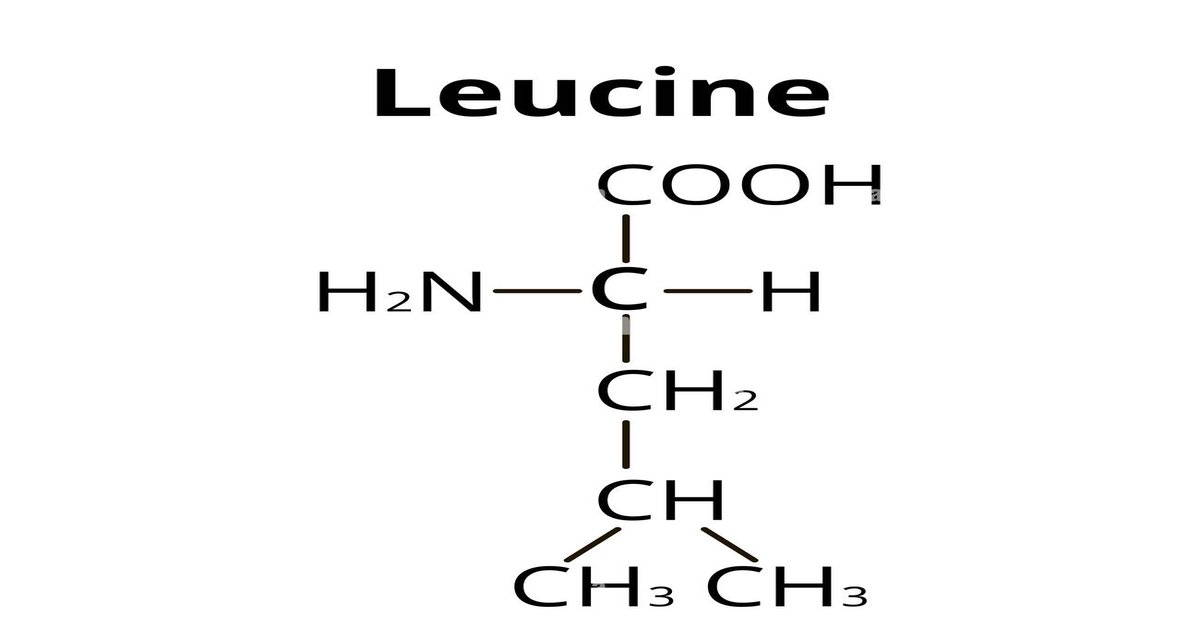
What Is the Leucine Threshold and Why Does It Matter? You've heard that protein builds muscle. You've heard that you need enough total protein. But you can eat 200 grams of protein a day and still not build muscle if you're not triggering muscle protein synthesis. The trigger is leucine. The Protein Intake Calculator will tell you how much total protein.
🥩
Protein Intake Calculator
Enter your weight, activity level, and goal — get your daily protein target in grams per pound and grams per kilogram.
All data stays in your browser — we never see it.
Leucine is one of the nine essential amino acids. It's the primary signal that tells your body to start building muscle. When you eat enough leucine in a meal, you flip the switch. Muscle protein synthesis turns on. Without enough leucine, nothing happens. No matter how much total protein you ate. The Macro Split Planner can help you distribute your leucine across meals.
📊
Macro Split Planner
Enter your calorie target and protein percentage — get a daily macro split with meal-by-meal recommendations.
All data stays in your browser — we never see it.
I had a client named Tom who was eating 200 grams of protein a day. He was 190 pounds. His total was fine. But his progress was slow. His strength was plateaued. He was frustrated. We looked at his distribution. He was eating 50 grams at breakfast, 50 at lunch, 100 at dinner. That's three meals. Each meal had enough leucine to trigger muscle protein synthesis. So what was the problem? The problem was his breakfast. He was eating oatmeal with peanut butter and a scoop of whey. The whey gave him leucine. But the oatmeal and peanut butter were low in leucine. He was getting about 2 grams of leucine from the whey. That's barely at the threshold. The Meal Protein Tracker helped him see the issue.
🍽️
Meal Protein Tracker
Log your daily meals and see protein per meal — get instant feedback on your distribution.
All data stays in your browser — we never see it.
We switched his breakfast to three eggs (18g protein, 1.5g leucine) and Greek yogurt (15g protein, 1.8g leucine). That's 3.3g leucine. Well above the threshold. Same total protein. Same calories. But his muscle protein synthesis went from a trickle to a river. Within a month, his strength started moving again. Bench press up 15 pounds. Deadlift up 30. He told me “I was eating enough protein but at the wrong times.” The leucine threshold is 2-3 grams per meal for most adults. That's about 30-40 grams of protein from animal sources. Whey is 11% leucine. Chicken is 8-9%. Eggs are 8.5%. Beef is 8%. Soy is 8%. Pea is 7%. Rice is 5%. If you're eating plant-based, you need more total protein to hit the same leucine threshold. About 40-50 grams per meal instead of 30-40. The Protein Source Comparator can help you find the highest leucine sources.
🥩
Protein Source Comparator
Compare cost per gram, leucine content, PDCAAS score, and digestibility across protein sources.
All data stays in your browser — we never see it.
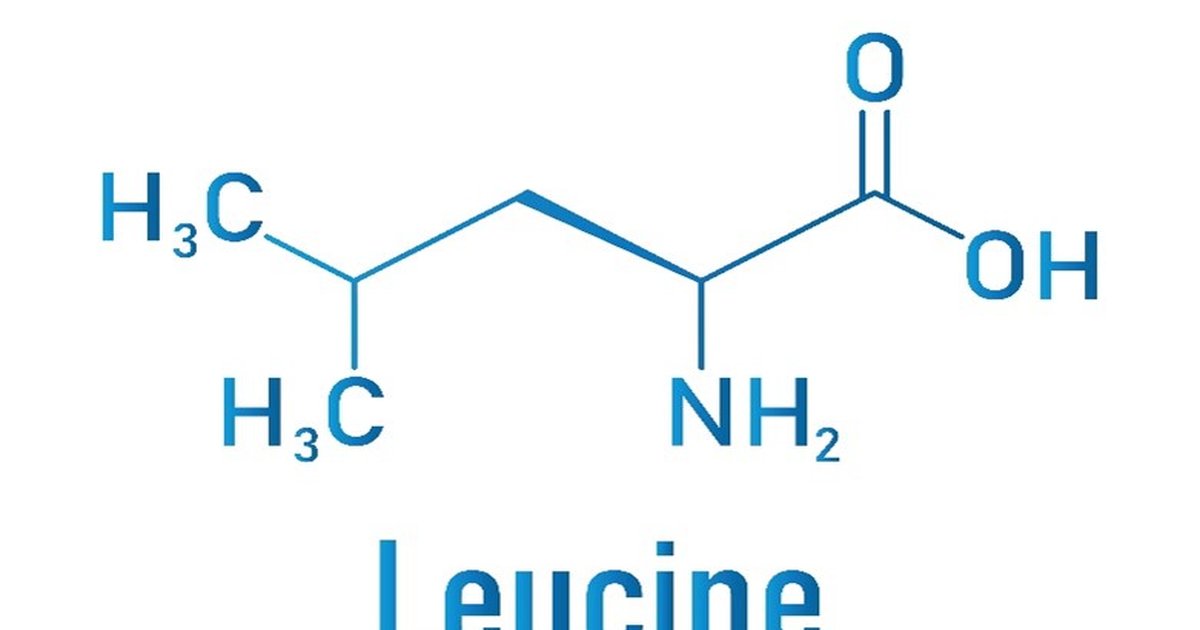
Listen, this is not bro science. This is biochemistry. Leucine activates the mTOR pathway, which is the master switch for muscle growth. Without leucine, mTOR stays off. With leucine, it turns on. A 2025 study in the Journal of Nutrition looked at leucine supplementation in older adults. Those who received 3g of leucine before each meal had significantly higher muscle protein synthesis than those who received a placebo. Same total protein. Same calories. Just leucine. The study used supplemental leucine. You don't need supplements if you eat enough high-quality protein. But the principle is the same. How to apply the leucine threshold to your diet First, eat 4-5 meals per day. Not 2-3. Each meal needs to hit the leucine threshold. Second, aim for 30-40 grams of protein per meal from animal sources, or 40-50 grams from plant sources. Third, prioritize high-leucine proteins at your meals. Whey, eggs, dairy, chicken, beef, fish. If you're plant-based, use soy or pea-rice blends. Fourth, don't waste leucine. Eating 60 grams of protein in one meal doesn't give you twice the signal. It gives you the same signal plus extra calories. Spread it out. Real-world examples 30g of chicken breast: 30g protein, 2.5g leucine. Threshold hit. 40g of tofu: 20g protein, 1.6g leucine. Below threshold. Need more. 35g of whey isolate: 32g protein, 3.5g leucine. Threshold hit. 45g of pea protein: 36g protein, 2.5g leucine. Threshold barely hit. Notice that plant protein takes more total grams to hit the same leucine target. What about leucine supplements? You can buy leucine powder. You can add it to your shakes. I don't recommend it for most people. It's expensive. It's unnecessary if you eat enough whole food protein. And some studies show that isolated leucine without the other amino acids doesn't work as well. Stick with whole food protein or complete protein powders. The timing myth Some people say you need to eat every 3 hours to keep muscle protein synthesis elevated. Not exactly. MPS stays elevated for 3-5 hours after a leucine-threshold meal. Then it drops. Eating another meal at hour 4 triggers another pulse. Eating at hour 6 leaves a gap. The practical takeaway: eat breakfast, lunch, afternoon snack, dinner. That's 4 pulses. That's enough. The elderly exception Older adults have a higher leucine threshold. About 3-4 grams per meal. Their muscles are less sensitive to leucine. They need more to trigger the same response. If you're over 65, aim for 40-50 grams of protein per meal from animal sources, or 50-60 from plants. Tom, my client, is now 45. He eats four meals a day, each with 35-40 grams of protein. His leucine per meal is about 3 grams. His strength is the best it's been in a decade. He told me “I wish I knew this 20 years ago.” The bottom line Total protein matters. But leucine matters too. If you're eating enough total protein but not seeing results, check your per-meal leucine. You might be eating 200 grams a day but only triggering muscle protein synthesis twice. That's like watering a garden with a fire hose once a day instead of a gentle sprinkle four times. Same total water. Different results. The Protein Intake Calculator is free. The Macro Split Planner is free. The Protein Source Comparator is free. Use them to optimize your leucine. Your muscles are waiting for the signal.
Derek Armstrong

Derek "Dex" Armstrong

MS Exercise Physiology, CSCS, Precision Nutrition Level 2. Former collegiate strength coach turned nutrition consultant. I build calculators to settle arguments in locker rooms. San Diego based, ice cream powered.