Tutorial

Meal Timing 101: Distributing Protein Across 4-5 Meals

Meal Timing 101: Distributing Protein Across 4-5 Meals The old myth says you need a protein shake within 30 minutes of finishing your last set. The anabolic window. Miss it, and your gains go down the drain. I used to believe this. I used to chug whey in the locker room before I even changed out of my gym shorts. The research doesn't support it. The Protein Intake Calculator will tell you how much. But timing matters too – just not in the way the supplement companies want you to think.
🥩
Protein Intake Calculator
Enter your weight, activity level, and goal — get your daily protein target in grams per pound and grams per kilogram.
All data stays in your browser — we never see it.
Here's what the science actually says. Muscle protein synthesis, the process that builds muscle, stays elevated for 24 to 48 hours after a workout. Not 30 minutes. You don't need to rush. You need to eat consistently across the day. The real timing question is distribution. Not "post-workout window." Meal frequency. How many times a day you eat protein. And how much per meal. The Macro Split Planner can help you space your protein across the day.
📊
Macro Split Planner
Enter your calorie target and protein percentage — get a daily macro split with meal-by-meal recommendations.
All data stays in your browser — we never see it.
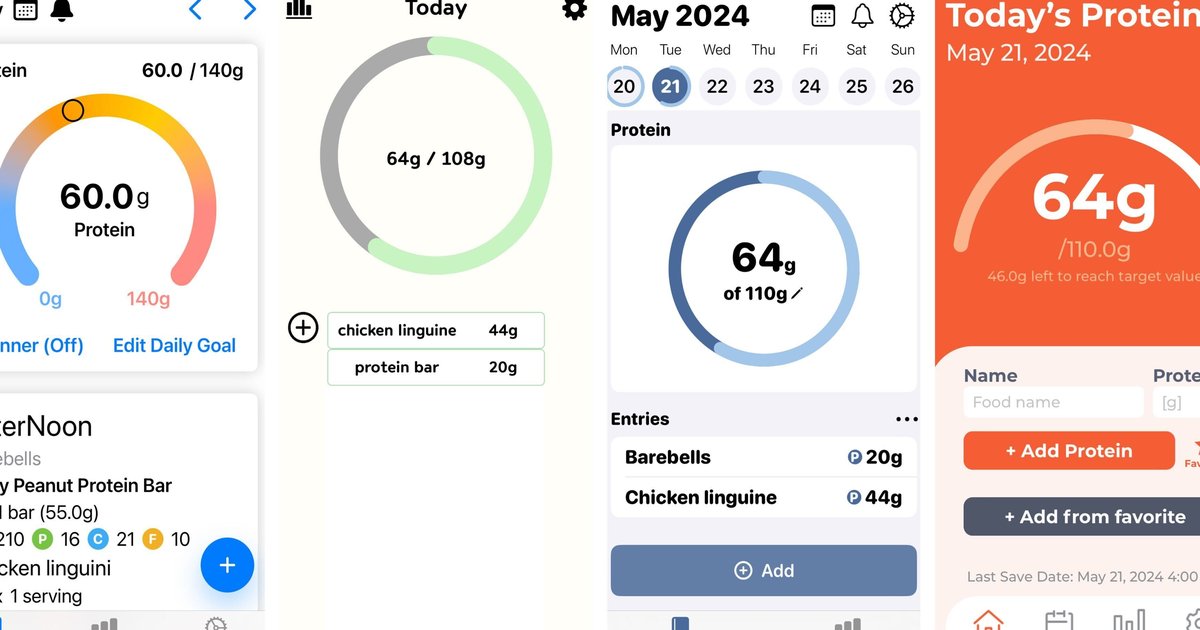
I had a client named Chris who was eating 180 grams of protein a day. He was doing it in two meals. Lunch: 60 grams. Dinner: 120 grams. He thought he was doing great because his total was high. His progress was slow. We switched him to four meals. Breakfast: 40 grams. Lunch: 40 grams. Afternoon snack: 40 grams. Dinner: 60 grams. Same total. Different distribution. His recovery improved. His strength went up. He felt fuller. He stopped snacking on junk between meals. The Meal Protein Tracker helped him see the difference.
🍽️
Meal Protein Tracker
Log your daily meals and see protein per meal — get instant feedback on your distribution.
All data stays in your browser — we never see it.
Here's the science. Each time you eat 30-40 grams of protein, you trigger a pulse of muscle protein synthesis. That pulse lasts about 3-5 hours. Then it drops back to baseline. If you eat one big meal, you get one pulse. If you eat four meals, you get four pulses. Four pulses build more muscle than one pulse, even with the same total protein. A 2024 study from the University of Birmingham compared two groups of lifters eating the same total protein. One group ate three meals with 40 grams each. The other group ate one meal with 120 grams. The three-meal group gained 30% more lean mass over 12 weeks. Not a small difference. The leucine threshold is the key. You need about 2-3 grams of leucine per meal to trigger muscle protein synthesis. That's roughly 30-40 grams of protein from animal sources, or 40-50 grams from plant sources. If your meal has less than that, you're not getting the signal. If it has way more, you're not getting extra benefit. That's why four meals of 40 grams beats two meals of 80 grams. The 80-gram meals trigger the same pulse as the 40-gram meals. The extra protein is oxidized. Wasted. The Protein Source Comparator can help you choose proteins with higher leucine content per gram.
🥩
Protein Source Comparator
Compare cost per gram, leucine content, PDCAAS score, and digestibility across protein sources.
All data stays in your browser — we never see it.
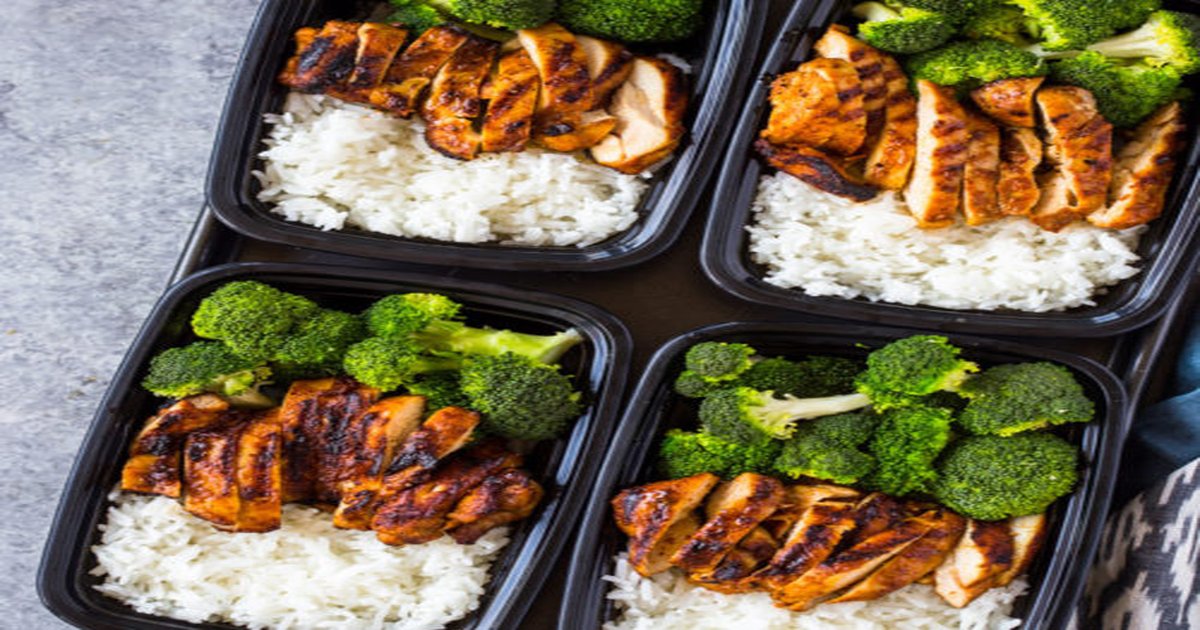
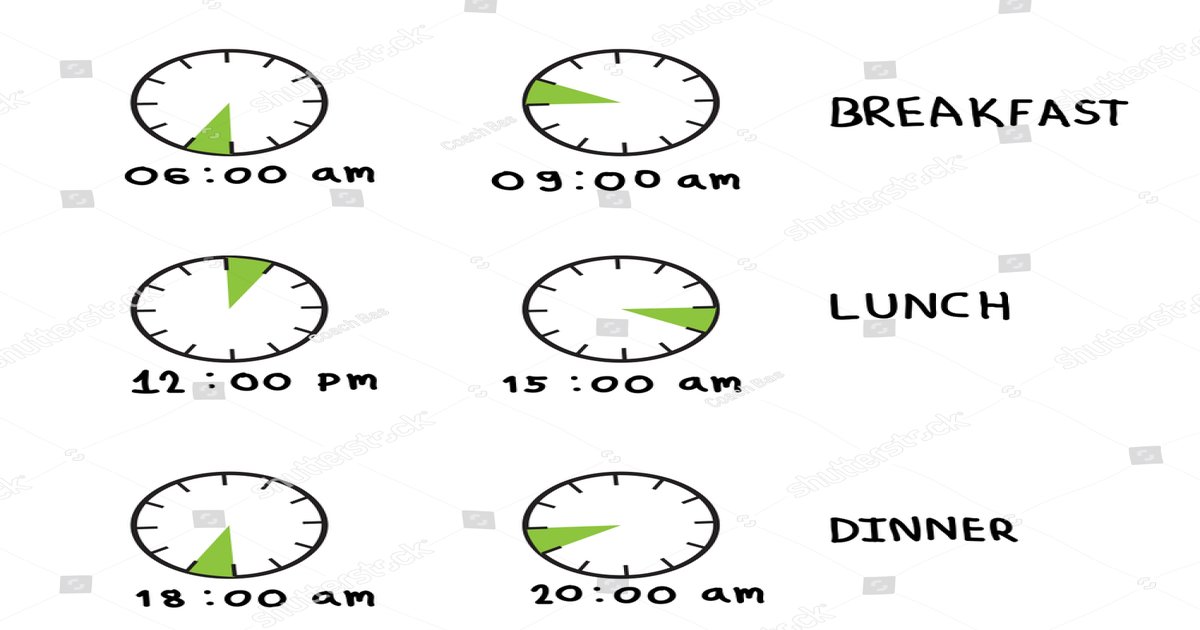
So how many meals? For most people, 4-5 is the sweet spot. Three is okay. Two is not enough. Six is fine but unnecessary. Here's a sample day for a 180-pound person needing 180 grams of protein. Meal 1 (7 AM): 4 eggs (24g) + Greek yogurt (15g) = 39g Meal 2 (11 AM): 6oz chicken breast (40g) + rice + vegetables = 40g Meal 3 (2 PM): Protein shake (25g) + almonds = 25g Meal 4 (6 PM): 8oz lean beef (50g) + potatoes + broccoli = 50g Meal 5 (9 PM): Cottage cheese (15g) = 15g Total: 169 grams. Close enough. If you need 180, add another egg or a half scoop of protein. Notice the timing. Meals every 3-4 hours. Not random. Not whenever you remember. What about the post-workout window? Eat a meal with 30-40 grams of protein within 2-3 hours after training. That's plenty. You don't need a shake in the locker room. You can eat real food when you get home. The exception is if you trained fasted. If you haven't eaten in 6+ hours, then yes, eat protein sooner. But most people aren't training fasted first thing in the morning. What about pre-sleep protein? Casein is slow-digesting. It provides a steady release of amino acids throughout the night. Studies show that 30-40 grams of casein before bed increases overnight muscle protein synthesis. Not dramatically, but measurably. I recommend cottage cheese or Greek yogurt before bed. Both are high in casein. Or a casein protein shake if you prefer. I had a client named Lisa who was stuck at 130 pounds, trying to get to 140. She was eating three meals a day, 40-50 grams each. Her total was 140 grams – enough. But she was eating breakfast at 8 AM, lunch at 1 PM, dinner at 6 PM. No pre-sleep protein. She was going 14 hours overnight without protein. Her muscles were catabolic for half the day. We added a pre-sleep snack. Cottage cheese, 15 grams. Her total went to 155 grams. Same training. Within 8 weeks, she gained 6 pounds of lean mass. She told me “I didn't change anything else. I just ate cottage cheese before bed.” The research on meal frequency has been debated. Some studies show no difference between three and six meals when protein is matched. But those studies usually have small sample sizes and short durations. The practical reality is that most people have trouble eating enough protein in two or three meals. They get too full. They skip breakfast. They undereat at lunch. Four meals solves that. If you're not sure where to start, try four meals. Breakfast, lunch, afternoon snack, dinner. Add a pre-sleep snack if you want to optimize. That's five. It works. The Macro Split Planner can help you build your own four-meal template. Listen, I'm not saying you need to be obsessive. I have clients who do three meals a day and do fine. But they're eating 50-60 grams per meal, and their meals are well-designed. That's harder than eating 40 grams across four meals. Start with four. See how you feel. Adjust from there. The Protein Intake Calculator is free. The Macro Split Planner is free. The Meal Protein Tracker is free. So is the knowledge that you don't need to chug a shake in the locker room. Eat real food. Spread it out. Hit your numbers. That's the timing that works.
Derek Armstrong

Derek "Dex" Armstrong

MS Exercise Physiology, CSCS, Precision Nutrition Level 2. Former collegiate strength coach turned nutrition consultant. I build calculators to settle arguments in locker rooms. San Diego based, ice cream powered.