Concept

10 Signs You're Not Eating Enough Protein

10 Signs You're Not Eating Enough Protein You feel tired all the time. You're hungry an hour after eating. Your hair is thinning. Your nails are brittle. Your workouts are going nowhere. You think it's stress. You think it's age. You think it's just how your body is. The Protein Intake Calculator can tell you if you're getting enough.
🥩
Protein Intake Calculator
Enter your weight, activity level, and goal — get your daily protein target in grams per pound and grams per kilogram.
All data stays in your browser — we never see it.
I've seen this pattern hundreds of times. Someone comes to me frustrated, stuck, confused. They're training hard. They're sleeping okay. They're eating "healthy." But they're not getting results. Almost always, the culprit is protein. The Macro Split Planner can help you fix it.
📊
Macro Split Planner
Enter your calorie target and protein percentage — get a daily macro split with meal-by-meal recommendations.
All data stays in your browser — we never see it.
Here are ten signs you're not eating enough protein. 1. You're always hungry. This is the most common sign. The protein leverage hypothesis explains it. Your body has a protein target. If you don't hit it, you keep eating. Even if you've already had enough calories. Even if you're not truly hungry. You'll crave savory, protein-rich foods. You'll snack constantly. You'll feel unsatisfied after meals. I had a client named Lisa who was eating 1,800 calories a day but couldn't stop snacking. She thought she had no willpower. She was eating 60 grams of protein. We bumped her to 130 grams, same calories. Her hunger vanished. 2. You're losing hair. Hair is made of protein. When you're deficient, your body prioritizes vital organs over hair growth. Shedding increases. Hair thins. It's not always genetics. 3. Your nails are brittle. Same principle. Nails need protein to grow strong. If they're peeling, cracking, or breaking easily, check your intake. 4. You're getting sick often. Your immune system needs protein to make antibodies. Low protein = weaker immune response. A 2024 study in the American Journal of Clinical Nutrition found that adults with low protein intake had 40% more respiratory infections than those meeting their needs. Here in San Diego, flu season hits hard every winter. I see a spike in clients getting sick right after. The ones who hit their protein target consistently recover faster. 5. You're losing muscle despite training. This is the telltale sign for lifters. You're in the gym, doing the work, but your strength is plateaued or dropping. Your muscles look flatter. You're not recovering between sessions. You're not growing. I had a client named Mike who was eating 100 grams of protein at 190 pounds. He was losing strength every week. He thought he needed a new program. He needed more chicken. 6. Your skin is dry and flaky. Skin cells turn over rapidly. They need amino acids to rebuild. Low protein means slower turnover, drier skin, slower wound healing. 7. You're tired all the time. Protein is involved in energy metabolism. Low intake can lead to fatigue, brain fog, and low motivation. Not the "I need coffee" tired. The "I can't get off the couch" tired. 8. You're craving savory foods. Your body knows what it needs. If you're craving burgers, eggs, cheese, or other protein-rich foods, that's a signal. Don't ignore it. 9. You're recovering slowly from workouts. Muscle repair requires amino acids. If you're sore for three days after every session, something's wrong. Protein timing matters less, but total protein matters a lot. 10. You're stalled on your fitness goals. You've been training for months. You're consistent. You're pushing hard. But the scale isn't moving. The mirror isn't changing. Your lifts aren't going up. Protein is often the missing variable. The Meal Protein Tracker can help you identify your gap.
🍽️
Meal Protein Tracker
Log your daily meals and see protein per meal — get instant feedback on your distribution.
All data stays in your browser — we never see it.
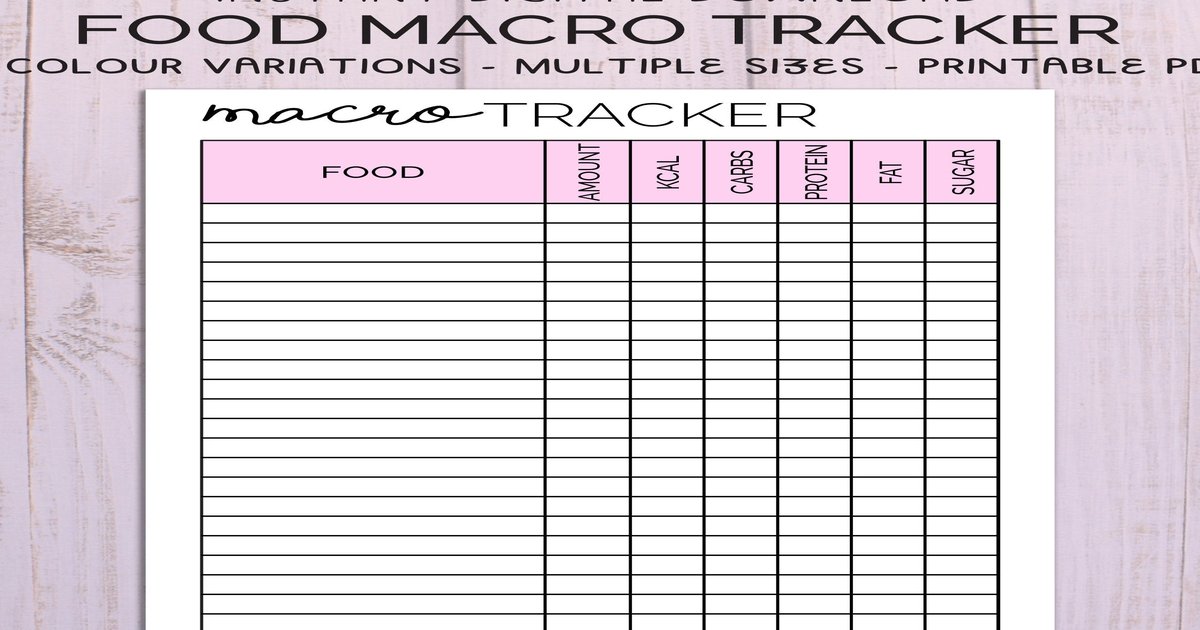
Here's what to do if you recognize these signs. First, calculate your target. Use the Protein Intake Calculator. Be honest about your activity level. Second, track your current intake for three days. Don't change anything. Just log. Third, compare. If you're under by more than 20 grams, you have a problem. Fourth, add one high-protein meal per day. Greek yogurt with breakfast. A shake after training. Cottage cheese before bed. Fifth, monitor your symptoms. Within two weeks, you'll notice changes. Less hunger. Better recovery. More energy. The Protein Source Comparator can help you find affordable ways to increase your protein.
🥩
Protein Source Comparator
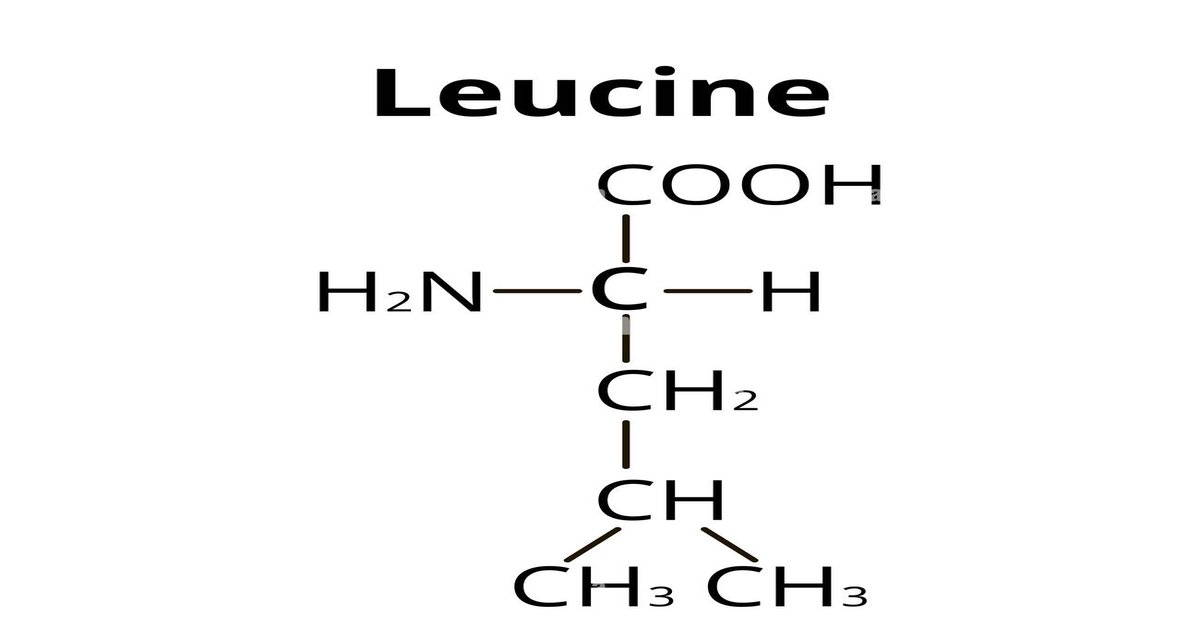
Compare cost per gram, leucine content, PDCAAS score, and digestibility across protein sources.
All data stays in your browser — we never see it.
Listen, I'm not saying every symptom is protein deficiency. But it's the first thing to check. It's the easiest to fix. And it's the most overlooked. Lisa, the client who couldn't stop snacking, is now 135 pounds and strong. She eats 130 grams of protein a day. She's not hungry. She's not fighting herself. She told me “I thought I was broken. I was just underfed.” Don't wait until you're losing muscle to check your protein. The signs are there. Pay attention.
Derek Armstrong

Derek "Dex" Armstrong

MS Exercise Physiology, CSCS, Precision Nutrition Level 2. Former collegiate strength coach turned nutrition consultant. I build calculators to settle arguments in locker rooms. San Diego based, ice cream powered.