Concept

Protein Tracking for Beginners: A 7-Day Setup Guide

Protein Tracking for Beginners: A 7-Day Setup Guide You want to track your protein. You've heard it's important. You've seen the calculators, the apps, the meal prep guides. But you don't know where to start. You're overwhelmed. You're afraid you'll mess up. The Protein Intake Calculator is step zero. Before you track anything, you need a target.
🥩
Protein Intake Calculator
Enter your weight, activity level, and goal — get your daily protein target in grams per pound and grams per kilogram.
All data stays in your browser — we never see it.
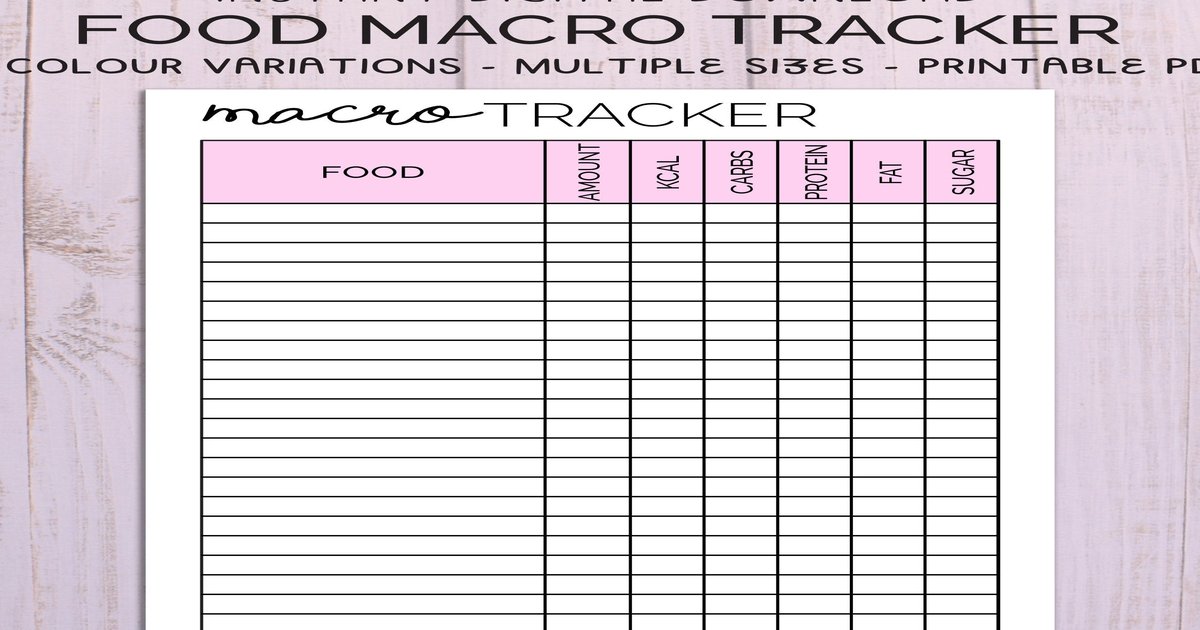
I've set up tracking for hundreds of clients. The ones who succeed don't try to change everything at once. They build the habit slowly. One week at a time. Here's your 7-day setup guide. Follow it exactly. Don't skip days. Don't add extra steps. Day 1-2: Log everything without judgment. Don't change what you eat. Don't try to hit your protein target. Just log. Every bite. Every sip. Every snack. Use whatever app you like – MyMacros+, MacroFactor, Cronometer, MyFitnessPal. Just log. Most people are shocked. They think they're eating 120 grams of protein. They're actually eating 70. They think they're eating 2,000 calories. They're actually eating 2,800. The Macro Split Planner can help you once you have your baseline.
📊
Macro Split Planner
Enter your calorie target and protein percentage — get a daily macro split with meal-by-meal recommendations.
All data stays in your browser — we never see it.
I had a client named Anna who swore she was eating enough protein. She was a vegetarian, ate a lot of beans and tofu. Her first two days of logging showed 55 grams per day. She was 120 pounds, active. She needed 120 grams. She was off by more than half. She didn't believe the app. She logged manually for two more days. Same numbers. She realized she had no idea how much protein was in her food. Day 3: Calculate your target. Use the Protein Intake Calculator. Enter your weight, activity level, and goal. Write down the number. Put it on your fridge. Put it in your phone. For Anna, 120-pound active female wanting muscle gain: 120 grams per day. That's 1 gram per pound. Simple. Day 4-5: Add one high-protein meal. Don't change everything. Just add one meal that hits 30-40 grams of protein. Greek yogurt with protein powder. Three eggs with cottage cheese. A chicken breast with lunch. Anna added Greek yogurt with a scoop of whey to her breakfast. That's 15g from yogurt, 25g from whey – 40g. Her total went from 55 to 95. Still short, but much closer. The Meal Protein Tracker can help you see your progress.
🍽️
Meal Protein Tracker
Log your daily meals and see protein per meal — get instant feedback on your distribution.
All data stays in your browser — we never see it.
Day 6: Evaluate your distribution. Where are you getting your protein? Is it all at dinner? Are you eating any at breakfast? What about a snack? Anna's protein was coming mostly from dinner – 35 grams. Breakfast was 5 grams (coffee with milk). Lunch was 15 grams (a bean burrito). Snack was 0. We moved 20 grams from dinner to breakfast and lunch. Same total. Better distribution. She felt fuller, had more energy, and stopped snacking on chips. Day 7: Plan next week. Pick three repeatable high-protein meals. Not ten. Three. Master those. Then add more later. Anna's three meals: Breakfast: Greek yogurt + protein powder + berries (40g) Lunch: Tofu stir-fry with rice (30g) Dinner: Bean and cheese burrito with side of Greek yogurt (30g) Total: 100g. Still short of 120. Next week she added a protein shake in the afternoon. That got her to 125. The Protein Source Comparator can help you choose the best protein sources for your meals.
🥩
Protein Source Comparator
Compare cost per gram, leucine content, PDCAAS score, and digestibility across protein sources.
All data stays in your browser — we never see it.

Common beginner mistakes Mistake one: Trying to be perfect. You don't need to hit your target exactly every day. Within 10% is fine. 108g instead of 120g is still progress. Mistake two: Not logging everything. You forgot the oil. You didn't log the coffee creamer. You guessed the portion size. Be honest. The data doesn't judge. Mistake three: Changing too much at once. You can't go from 50g to 150g overnight. Your digestion will revolt. Add 20g per week. Slow and steady. Mistake four: Relying on shakes for all your protein. Shakes are fine. But whole food is better for satiety and micronutrients. Aim for 70% from food, 30% from supplements. Mistake five: Quitting after one bad day. You missed your target. So what. Get back on track tomorrow. Consistency over perfection. What to do after 7 days Keep tracking. Not forever. Just until the habit sticks. For some people, that's 2 weeks. For others, 2 months. I've tracked for years. It's automatic now. I don't think about it. Anna tracked for 6 weeks. Then she stopped. She had internalized her portion sizes. She knew what 30g of protein looked like. She didn't need the app anymore. She told me “I thought I'd have to track forever. I don't. I just needed to learn.” Listen, tracking is a tool. Not a lifestyle. Use it to learn. Then use your knowledge. The one-week challenge Here's your assignment. For 7 days, follow this plan. Day 1-2: log your normal diet. Day 3: set your target. Day 4-5: add one high-protein meal. Day 6: check your distribution. Day 7: plan next week. At the end of the week, you'll know more about your diet than most people learn in a year. The Protein Intake Calculator is free. The Macro Split Planner is free. The Meal Protein Tracker is free. The knowledge is free. Use them.
Derek Armstrong

Derek "Dex" Armstrong

MS Exercise Physiology, CSCS, Precision Nutrition Level 2. Former collegiate strength coach turned nutrition consultant. I build calculators to settle arguments in locker rooms. San Diego based, ice cream powered.