Concept

How to Calculate Leucine Content in Common Foods

How to Calculate Leucine Content in Common Foods Let me tell you about a client who thought he was doing everything right. His name was Carlos. He was eating 180 grams of protein a day. Chicken, rice, eggs, whey, beef. The works. His training was solid. His sleep was fine. His gains were stalled. He came to me frustrated, ready to blame his genetics. The Protein Intake Calculator showed him his total was fine. But something was missing.
🥩
Protein Intake Calculator
Enter your weight, activity level, and goal — get your daily protein target in grams per pound and grams per kilogram.
All data stays in your browser — we never see it.
I asked him to log his meals by meal, not just by day. We looked at his distribution. Breakfast: 20 grams. Lunch: 40 grams. Dinner: 80 grams. Snacks: 40 grams. Total 180 grams. But his breakfast was low in leucine. His snacks were low in leucine. He was only hitting the leucine threshold at lunch and dinner. Two pulses of muscle protein synthesis per day. He needed four. The Protein Source Comparator helped him see which foods were high in leucine.
🥩
Protein Source Comparator
Compare cost per gram, leucine content, PDCAAS score, and digestibility across protein sources.
All data stays in your browser — we never see it.
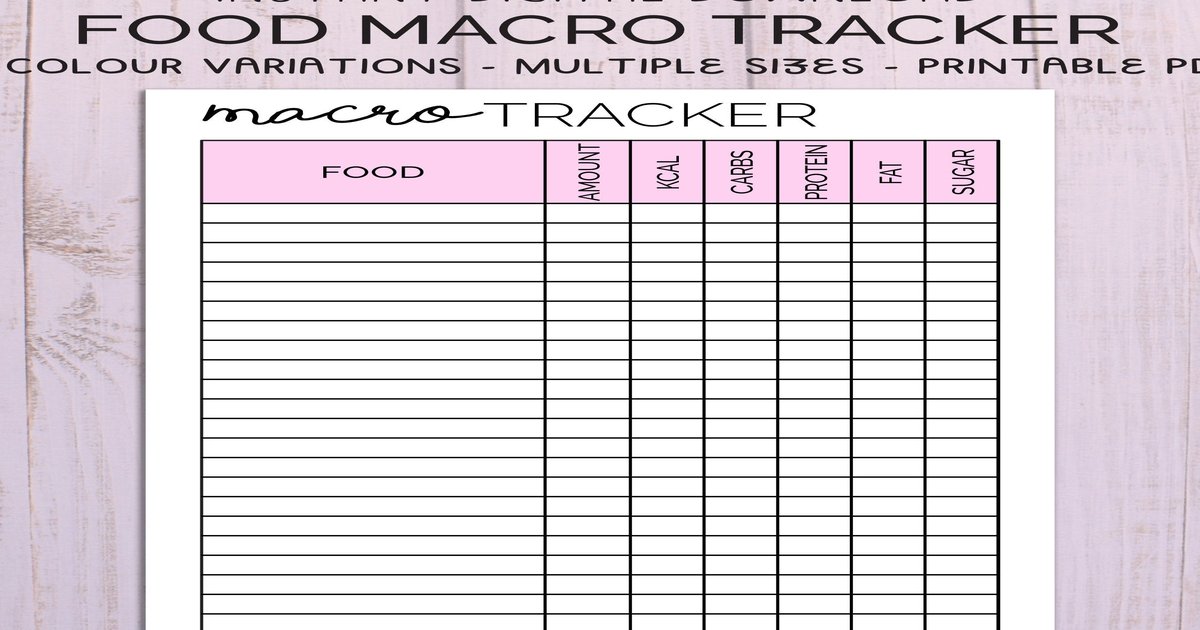
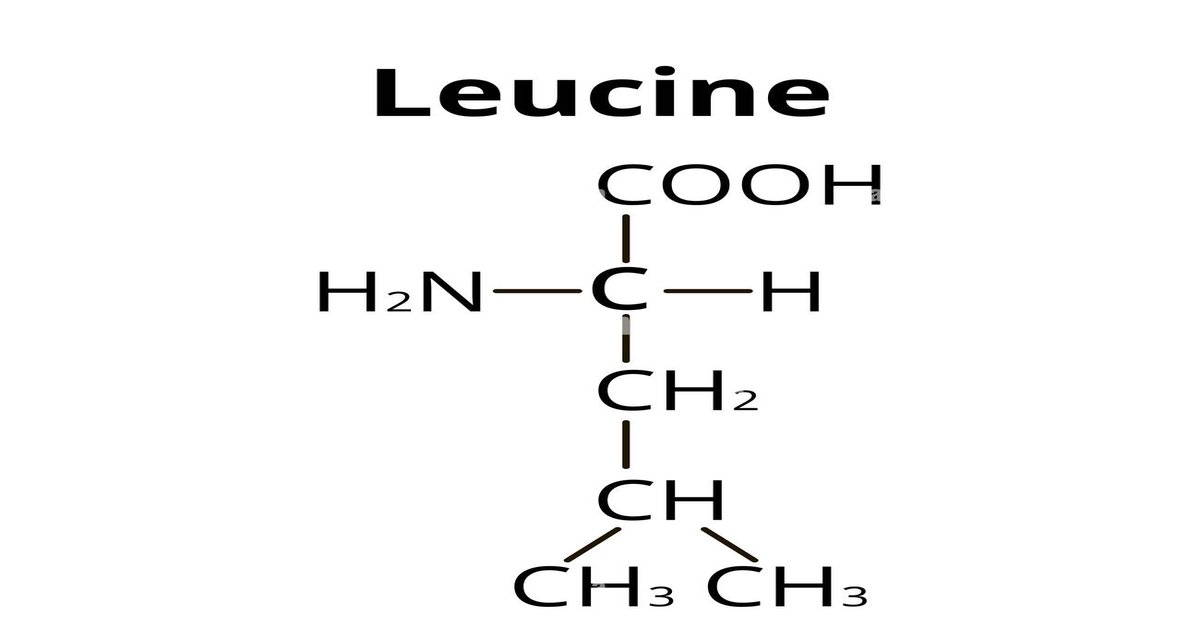
Leucine is the amino acid that triggers muscle protein synthesis. Think of it as the key that starts the engine. Without enough leucine, the protein you eat doesn't signal your muscles to grow. It's still used for other things – energy, enzyme production, tissue repair – but the growth signal is weak or absent. The threshold is 2-3 grams of leucine per meal. That's about 30-40 grams of protein from most animal sources. From plant sources, you need more – 40-50 grams – because plant proteins have lower leucine percentages. The Macro Split Planner can help you distribute leucine-rich meals across your day.
📊
Macro Split Planner
Enter your calorie target and protein percentage — get a daily macro split with meal-by-meal recommendations.
All data stays in your browser — we never see it.
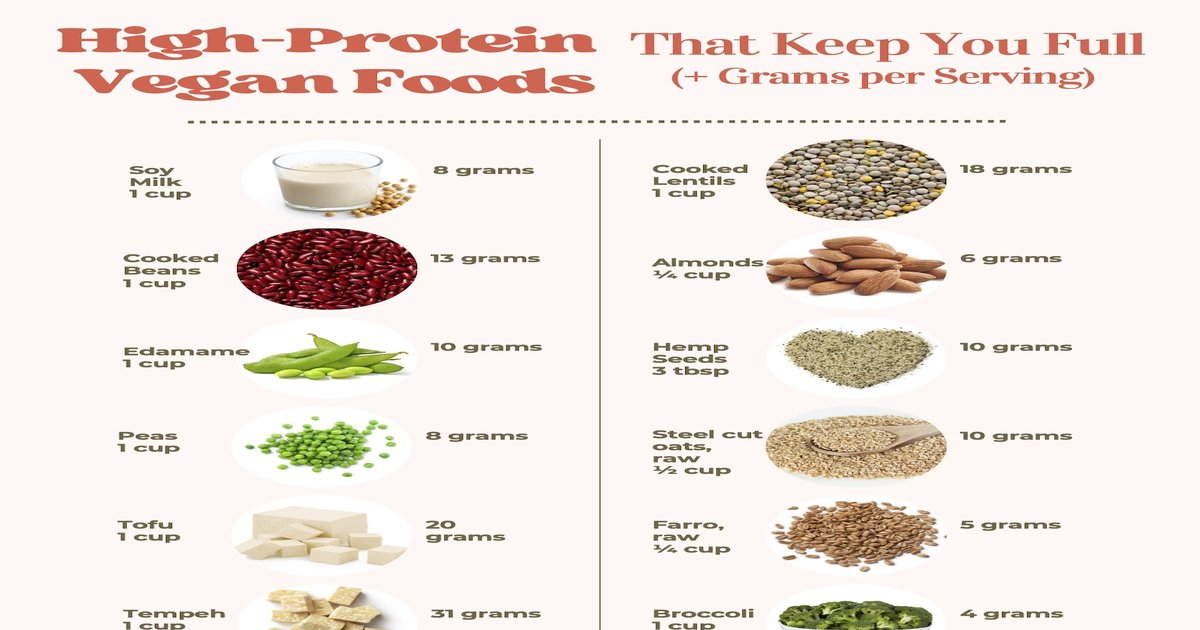
Let me give you the leucine content of common foods. These are numbers from the USDA FoodData Central database and peer-reviewed amino acid analysis papers. Animal proteins (leucine per 100g protein) Whey protein isolate: 11.0g leucine (about 2.2g per 20g protein) Egg white powder: 10.8g leucine Whole eggs: 8.6g leucine (about 1.3g per 15g protein, or 2.6g per 30g protein) Chicken breast: 8.5g leucine (about 1.7g per 20g protein, or 3.4g per 40g protein) Beef, lean: 8.0g leucine (about 1.6g per 20g protein, or 3.2g per 40g protein) Pork loin: 8.0g leucine Fish (salmon, tuna): 7.8g leucine Milk, whole: 7.5g leucine (about 1.5g per 20g protein, or 3.0g per 40g protein) Greek yogurt: 7.2g leucine (about 1.4g per 20g protein, or 2.8g per 40g protein) Cottage cheese: 6.8g leucine Plant proteins (leucine per 100g protein) Soy protein isolate: 8.0g leucine (about 1.6g per 20g protein, or 3.2g per 40g protein) Tofu: 7.5g leucine (about 1.5g per 20g protein, or 3.0g per 40g protein) Pea protein concentrate: 7.0g leucine (about 1.4g per 20g protein, or 2.8g per 40g protein) Tempeh: 6.8g leucine Lentils, cooked: 6.5g leucine (about 1.3g per 20g protein, or 2.6g per 40g protein) Black beans: 6.3g leucine Chickpeas: 6.2g leucine Quinoa: 5.8g leucine Brown rice: 5.2g leucine Oats: 5.0g leucine Notice the pattern. Animal proteins have higher leucine per gram of protein. That's why you need less total protein from animals to hit the leucine threshold. Plant proteins need more total protein to get the same leucine. Carlos was eating a plant-based breakfast – oatmeal with berries. 20 grams of protein, but only about 1.0 gram of leucine. Below threshold. No MPS signal. His lunch was chicken and rice – 40 grams of protein, about 3.4 grams of leucine. Good signal. His dinner was beef and potatoes – 80 grams of protein, about 6.4 grams of leucine. One big signal, but the excess was wasted. His snacks were protein bars – 20 grams of protein each, maybe 1.8 grams of leucine. Below threshold. We fixed his breakfast. Switched to Greek yogurt with whey protein. 35 grams of protein, about 2.8 grams of leucine. Threshold hit. We added a leucine-rich pre-bed snack – cottage cheese, 20 grams of protein, about 1.4 grams of leucine. Not quite threshold, but combined with the leucine still circulating from dinner, it was enough. Within six weeks, Carlos started growing again. His bench press went up ten pounds. His deadlift went up twenty. He was frustrated that he'd wasted two years not knowing about leucine. The Meal Protein Tracker can help you audit your own leucine per meal.
🍽️
Meal Protein Tracker
Log your daily meals and see protein per meal — get instant feedback on your distribution.
All data stays in your browser — we never see it.
Here's a practical way to hit the leucine threshold without doing math every meal. For animal proteins: eat 30-40 grams of protein per meal. That's about 4-5 eggs, 5-6 ounces of chicken or beef, 1.5 scoops of whey, 1.5 cups of Greek yogurt, or 2 cups of cottage cheese. For plant proteins: eat 40-50 grams of protein per meal. That's about 2.5 cups of lentils, 2.5 cups of beans, 2 blocks of tofu, or a combination of grains and legumes. The Protein Source Comparator can help you find the most leucine-dense foods for your budget.
🥩
Protein Source Comparator
Compare cost per gram, leucine content, PDCAAS score, and digestibility across protein sources.
All data stays in your browser — we never see it.
One more thing. The leucine threshold is not the same for everyone. Older adults need more – about 3-4 grams per meal – because of anabolic resistance. Younger athletes might need less. Pregnant women, different. The ranges I gave are for healthy adults under 50 training for muscle growth. If you're over 60, aim for 40-50 grams of animal protein per meal or 60-70 grams of plant protein. Your muscles are less sensitive to leucine. You need a bigger signal. I had a client named Jerry, 67 years old, former powerlifter. He was eating 120 grams of protein a day, spread across three meals. He was losing muscle despite training consistently. We bumped his protein to 160 grams and focused on 40 grams per meal, each with about 3.5 grams of leucine. Within three months, his muscle mass stabilized. His strength came back. He told me “I thought getting old meant shrinking. I just wasn't eating enough leucine.” Listen, I'm not saying you need to obsess over leucine. If you're eating 4-5 meals a day with 30-40 grams of protein from mixed sources, you're probably fine. But if you're stalled, if your strength has plateaued, if you're not seeing changes in the mirror, check your leucine per meal. It might be the missing variable. Carlos is now up 12 pounds of lean mass from where he was when he started with me. He eats four meals a day, each with 35-45 grams of protein, each with at least 2.5 grams of leucine. He doesn't count leucine anymore. He knows what works. The Protein Intake Calculator gives you the total. The Protein Source Comparator gives you the quality. The Meal Protein Tracker gives you the distribution. Put them together, and you have a complete system. Leucine isn't magic. It's science. Use it.
Derek Armstrong

Derek "Dex" Armstrong

MS Exercise Physiology, CSCS, Precision Nutrition Level 2. Former collegiate strength coach turned nutrition consultant. I build calculators to settle arguments in locker rooms. San Diego based, ice cream powered.