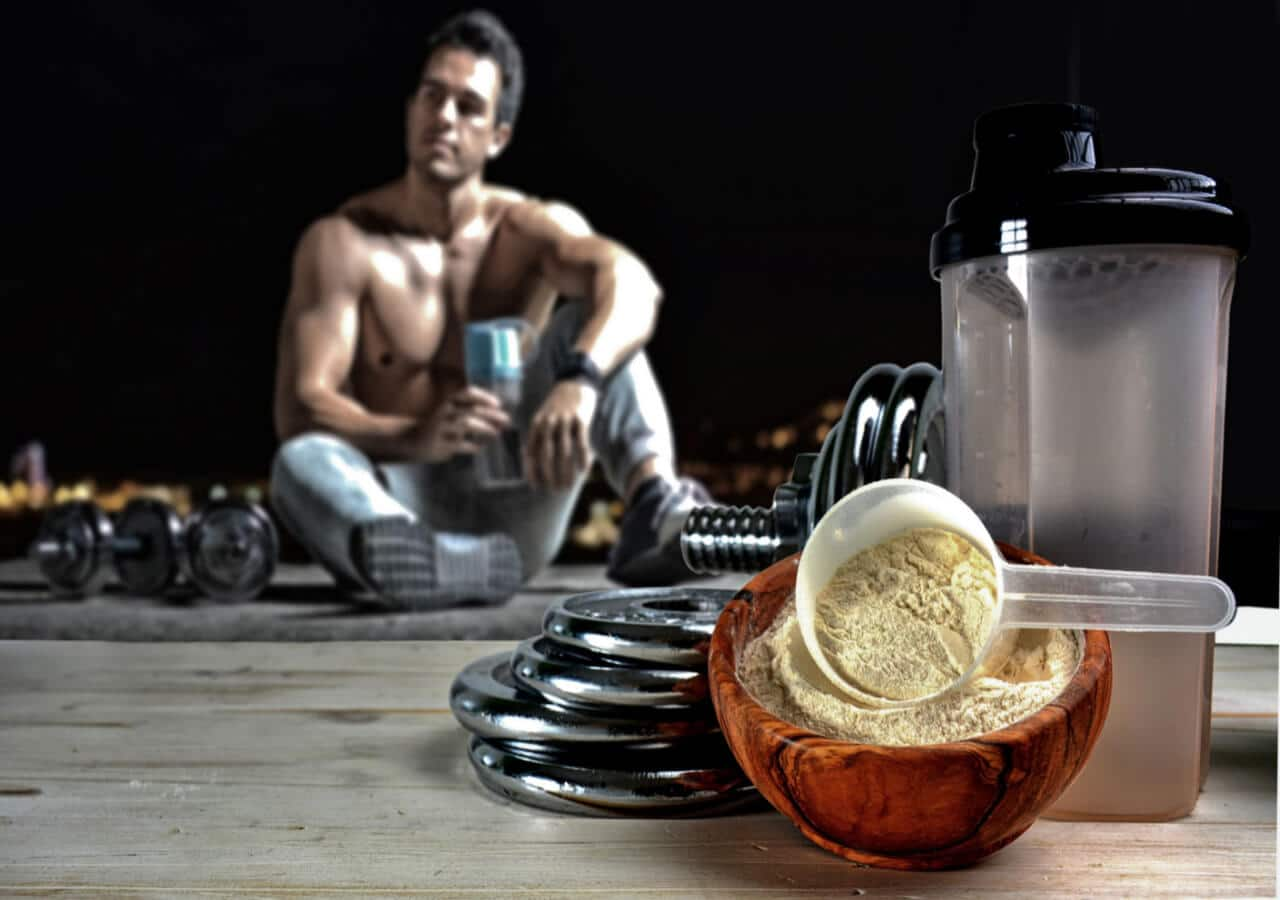
I was eating chicken breast at 10 PM, standing over the sink like a raccoon, because I had 47 grams of protein left to hit my daily target. My girlfriend walked in, looked at me, and said, "This is the saddest thing I've ever seen." She wasn't wrong. I was 34 years old, eating cold chicken in the dark, chasing a number that the internet had convinced me was the key to gains. Two hundred grams. Every day. For sixty days. And at the end, I had exactly the same amount of muscle I started with. Plus a new understanding of my digestive system's limits.
I'm Derek Armstrong. My friends call me Dex. I run dailyprotein.net from San Diego, California, where the gym culture is aggressive and the supplement industry is even more aggressive. I built this site because I was tired of bro-science masquerading as nutrition advice. This story is about what happens when you follow the hype instead of the research.
The experiment started in January 2026. I was 185 pounds, had been lifting consistently for eight years, and had plateaued. My bench press was stuck at 225. My squat was stuck at 315. My deadlift was stuck at 405. The internet had a diagnosis: I wasn't eating enough protein. The forums said 1 gram per pound of body weight was the minimum. Some said 1.5. A few lunatics said 2. I settled on 200 grams — roughly 1.1 grams per pound — and committed to sixty days of tracking every gram.
The first week was glorious. I felt like a scientist. I weighed my chicken. I scanned barcodes into MyFitnessPal. I mixed whey protein with Greek yogurt and called it "protein pudding." I hit 200 grams every day, sometimes exceeding it. My training was unchanged — four days a week, upper-lower split, progressive overload. I expected to break my plateaus by week three.
Week three came and went. My bench didn't move. My squat didn't move. My weight didn't move. But my bathroom habits? Those moved. Frequently. With urgency. And with a sound that I can only describe as industrial. My girlfriend started calling our apartment "the methane factory." I was consuming so much protein that my body couldn't digest it efficiently. The excess was fermenting in my gut, feeding bacteria that produced gas as a byproduct. I was literally full of hot air.
The science, which I finally read in week four, was clear. The recommended dietary allowance for protein is 0.36 grams per pound of body weight. For athletes, research suggests 0.54 to 0.82 grams per pound is optimal for muscle protein synthesis. Above that, the returns diminish rapidly. One study found no additional muscle gain beyond 0.82 grams per pound in resistance-trained men. Another found that 1.1 grams per pound produced identical results to 0.82 grams. My 200 grams was not just unnecessary. It was excessive to the point of absurdity.
But the supplement industry doesn't want you to know that. Protein powder is a $20 billion global market. The more grams they convince you to consume, the more product they sell. The labels scream "50 GRAMS PER SERVING!" The influencers say "you can never have too much protein." The bros at the gym say "gotta feed the muscles, bro." And the science quietly says: actually, no, you don't.
By week five, the side effects were undeniable. I was spending $120 a month on protein powder alone. My grocery bill had increased by $200. I was eating so much meat that my cholesterol had ticked up 12 points. My kidneys were working overtime to process the nitrogen waste, and my urine smelled like a chemical plant. And for what? Zero additional muscle. Zero strength gains. A girlfriend who slept with the window open in February.
I ended the experiment at day sixty, not because I was discouraged, but because I was bored. Bored of chicken. Bored of shakes. Bored of forcing down food my body didn't need. I dropped my protein to 150 grams — 0.81 grams per pound — and kept everything else the same. Within two weeks, my digestion normalized. My energy improved. My gym performance, shockingly, didn't change. I was still stuck at 225 on bench. But at least I wasn't stuck on the toilet.
The 2026 fitness landscape is obsessed with optimization. Wearables track every calorie. Apps log every macro. Influencers sell supplements with claims that border on medical miracles. And somewhere in the noise, the basics get lost. Train hard. Eat enough. Sleep well. Repeat. The rest is marginal gains at best, and expensive distractions at worst.
I built the tools on this site because I needed them. The protein calculator gives you a number based on research, not gym lore. The protein absorption optimizer explains why your body can't use 80 grams in one sitting. The cost per gram comparison shows you that chicken breast is cheaper than powder and doesn't require a blender. These tools won't make you a bodybuilder. But they might save you from eating chicken in the dark.
If you're chasing protein numbers that make you miserable, stop. Ask what you're actually trying to achieve. If it's muscle, 0.7-0.8 grams per pound is probably enough. If it's a lifestyle, any number that requires cold chicken at 10 PM is too high. And if it's a supplement company's revenue, well, they've already won.
How much protein are you eating — and how much of it is actually building muscle?
