Tutorial

How to Adjust Your Protein Intake During a Cut Phase

How to Adjust Your Protein Intake During a Cut Phase The mirror doesn't lie. But the scale does. I had a client named Jenna who was four weeks into her cut. She was eating 1,600 calories a day. Training five times a week. Doing her cardio. The scale was dropping – two pounds a week, perfect rate. But she looked in the mirror and saw her arms getting smaller. Not more defined. Smaller. Her strength was dropping too. Bench press down ten pounds. Squat down fifteen. She was losing muscle. The Protein Intake Calculator showed her the problem immediately.
🥩
Protein Intake Calculator
Enter your weight, activity level, and goal — get your daily protein target in grams per pound and grams per kilogram.
All data stays in your browser — we never see it.
Jenna was eating 120 grams of protein a day. That's 0.8 grams per pound of body weight. That's fine for maintenance. Not for a cut. When you're in a calorie deficit, your protein needs go up. Way up. The research is clear. During a cut, you need 1.0 to 1.2 grams per pound, or 2.2 to 2.6 grams per kilogram. Jenna needed 160 grams. She was under by 40 grams every day. The Macro Split Planner can help you adjust your macros for a cut.
📊
Macro Split Planner
Enter your calorie target and protein percentage — get a daily macro split with meal-by-meal recommendations.
All data stays in your browser — we never see it.
Here's the physiology. When you eat fewer calories than you burn, your body needs energy from somewhere. It can burn fat. It can also burn muscle. The hormone cortisol rises during a cut. Cortisol breaks down muscle tissue. Extra protein helps preserve that tissue. It gives your body the raw materials to repair and maintain muscle, even when calories are low. The Meal Protein Tracker helped Jenna see where she was falling short.
🍽️
Meal Protein Tracker
Log your daily meals and see protein per meal — get instant feedback on your distribution.
All data stays in your browser — we never see it.
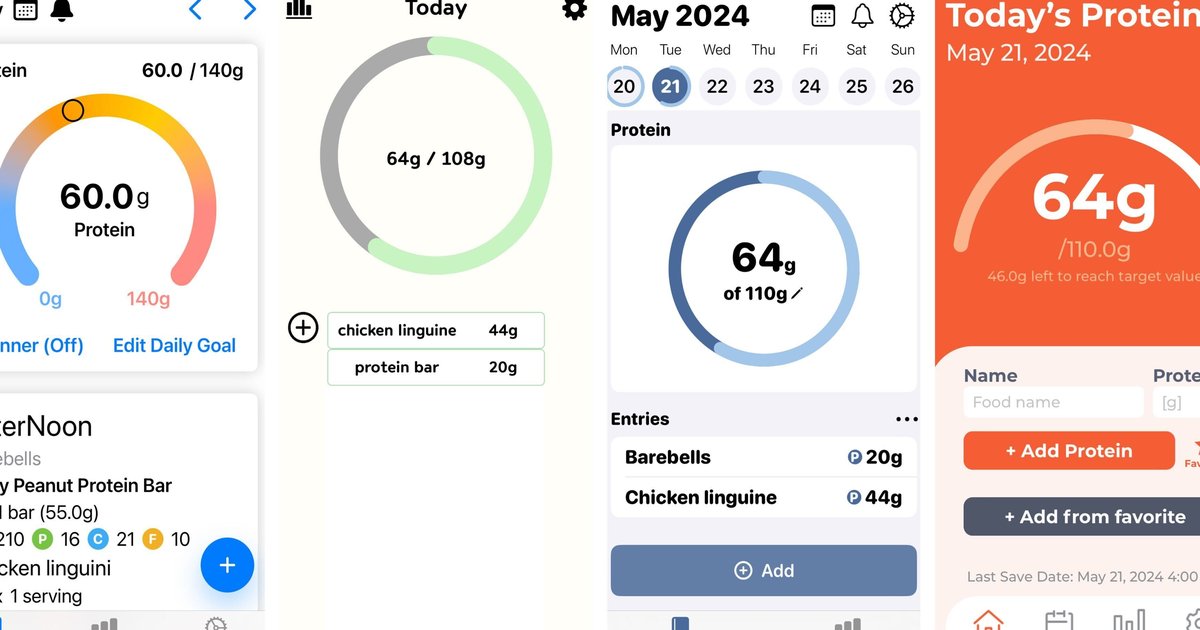
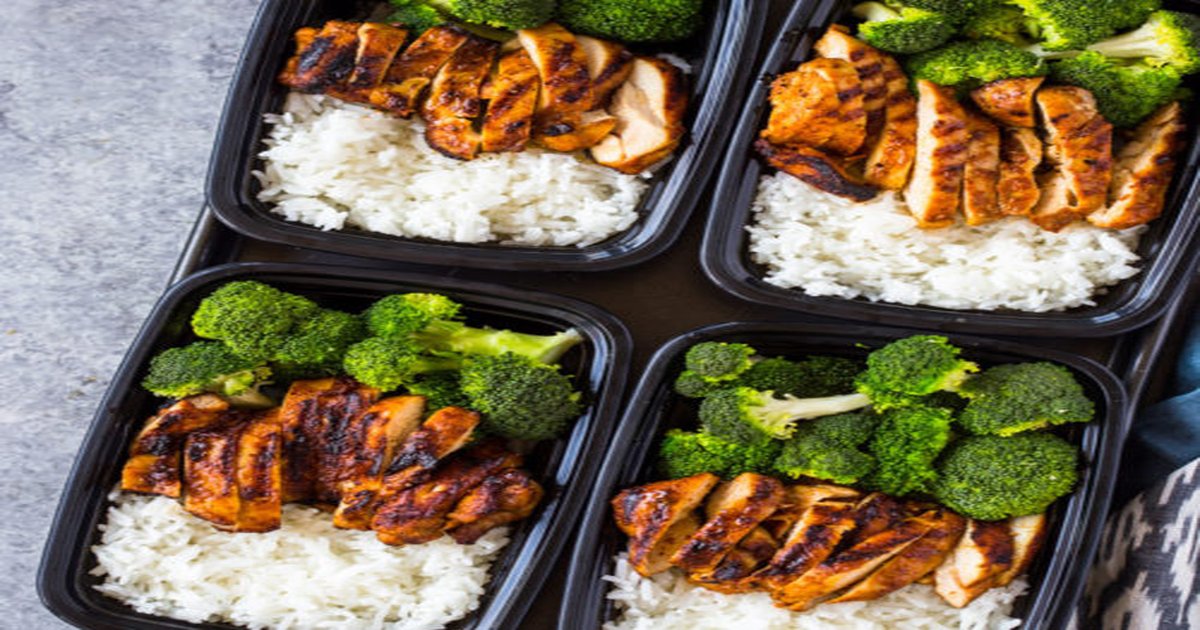
She was eating 30 grams at breakfast, 40 at lunch, 40 at dinner, 10 in snacks. That's 120. We bumped her to 40 at breakfast, 50 at lunch, 50 at dinner, 20 in snacks. Same calories – we reduced carbs and fat to make room. Her protein went to 160. Her calories stayed at 1,600. Within two weeks, her strength stopped dropping. Within a month, her bench press was back to her pre-cut numbers. She lost 12 pounds total, kept all her muscle, and looked leaner than she'd ever been. She told me “I thought cutting meant suffering. I just needed more protein.” Listen, I've seen this pattern hundreds of times. People cut calories. They drop carbs. They drop fat. They forget to check their protein. They end up skinny but soft. They lose the weight, but they also lose the shape. The numbers are not complicated. For a cut, take your body weight in pounds. Multiply by 1.0 to 1.2. That's your protein target in grams. For a 150-pound woman, that's 150 to 180 grams. For a 200-pound man, that's 200 to 240 grams. Here's what that looks like in real food for a 150-pound woman on 1,600 calories. Breakfast: 4 eggs (24g) + Greek yogurt (15g) = 39g Lunch: 6oz chicken breast (40g) + large salad + vinaigrette = 40g Afternoon snack: Protein shake (25g) = 25g Dinner: 6oz lean beef (40g) + vegetables = 40g Pre-sleep: Cottage cheese (15g) = 15g Total: 159g protein, 1,600 calories. No carbs? There are carbs in Greek yogurt, vegetables, salad, and the small amount of rice or potato you could add if you have room. But protein comes first. The Protein Source Comparator can help you find the most protein-dense foods for a cut.
🥩
Protein Source Comparator
Compare cost per gram, leucine content, PDCAAS score, and digestibility across protein sources.
All data stays in your browser — we never see it.
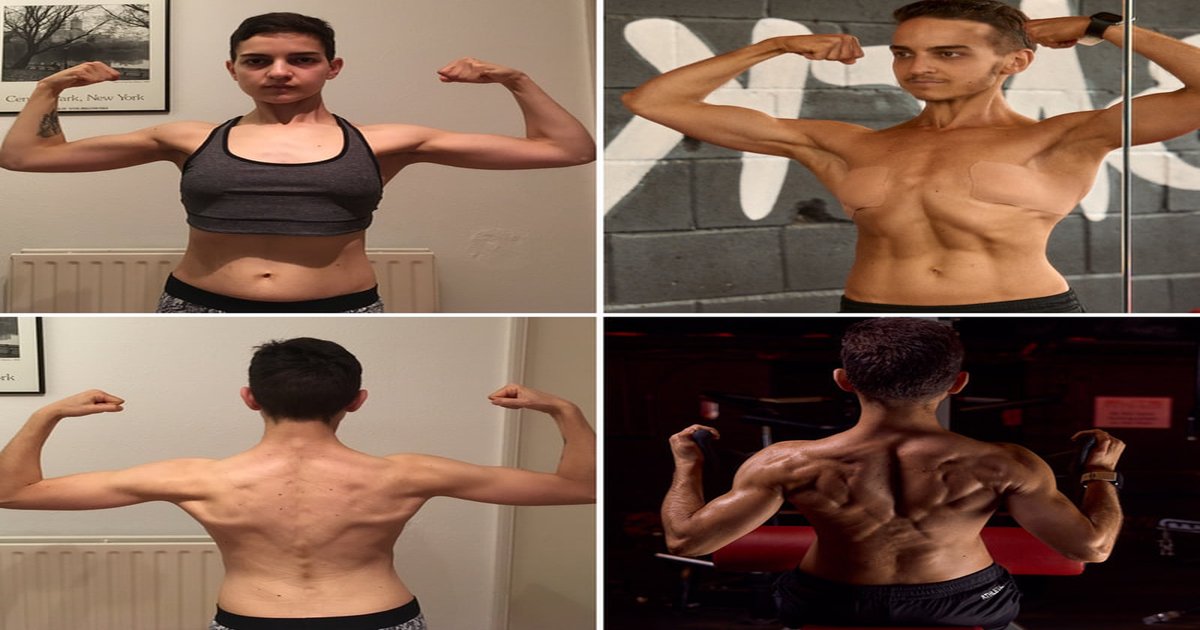
The biggest mistake I see on a cut is people dropping their protein because they think it has too many calories. Protein has 4 calories per gram, same as carbs. Fat has 9. If you need to cut calories, cut fat first. Keep protein high. Then adjust carbs based on your energy levels. I had a client named Mike who was 220 pounds, 25% body fat. He wanted to cut to 15%. He was eating 2,000 calories a day, 150 grams of protein. That's 0.68 grams per pound – not enough. His training was suffering. His mood was terrible. He was hungry all the time. We bumped his protein to 200 grams. Same calories – we cut some carbs and fat. His energy came back. His hunger decreased. He lost 25 pounds over four months, kept his muscle, and his strength actually went up. The research on protein leverage hypothesis explains this. When protein is too low, your body keeps eating until it gets enough. You're hungry because you're protein-deficient, not because you need more calories. Fix the protein, fix the hunger. If you're cutting, here's your checklist. First, calculate your protein target using the calculator. Don't guess. Use the cutting setting. Second, build your meals around protein. Plan your breakfast, lunch, dinner, and snacks to hit 30-40 grams per meal. Third, adjust carbs and fat around your protein. Eat enough carbs to fuel your workouts. Eat enough fat to keep your hormones happy. But protein is the priority. Fourth, monitor your strength. If your lifts are dropping fast, add more protein or slightly more calories. Don't ignore the warning signs. Fifth, take progress photos and measurements, not just scale weight. The scale doesn't tell you if you're losing muscle. The mirror and the tape measure do. Jenna finished her cut at 128 pounds, 18% body fat. She looked lean and strong. She kept her muscle. She set a new deadlift PR the week after her cut ended – 275 pounds. She told me “I never want to cut again, but at least I know how to do it right.” You don't have to suffer through a cut. You just need enough protein. The Protein Intake Calculator is free. Use it before you start cutting. Not after you've already lost muscle.
Derek Armstrong

Derek "Dex" Armstrong

MS Exercise Physiology, CSCS, Precision Nutrition Level 2. Former collegiate strength coach turned nutrition consultant. I build calculators to settle arguments in locker rooms. San Diego based, ice cream powered.