Concept

Bioavailability 101: Why Not All Protein Is Created Equal

Bioavailability 101: Why Not All Protein Is Created Equal You eat 30 grams of protein from chicken. Your friend eats 30 grams from a plant-based protein bar. Same number on the label. Same "protein" claim. But your body doesn't see them the same way. The Protein Intake Calculator can tell you how many grams you need. But it can't tell you how many your body will actually use.
🥩
Protein Intake Calculator
Enter your weight, activity level, and goal — get your daily protein target in grams per pound and grams per kilogram.
All data stays in your browser — we never see it.
Bioavailability is how much of that protein your body can actually absorb and use. Not what's on the label. What ends up in your muscles. And the difference between high and low bioavailability protein is massive. The Protein Source Comparator can show you the real numbers.
🥩
Protein Source Comparator
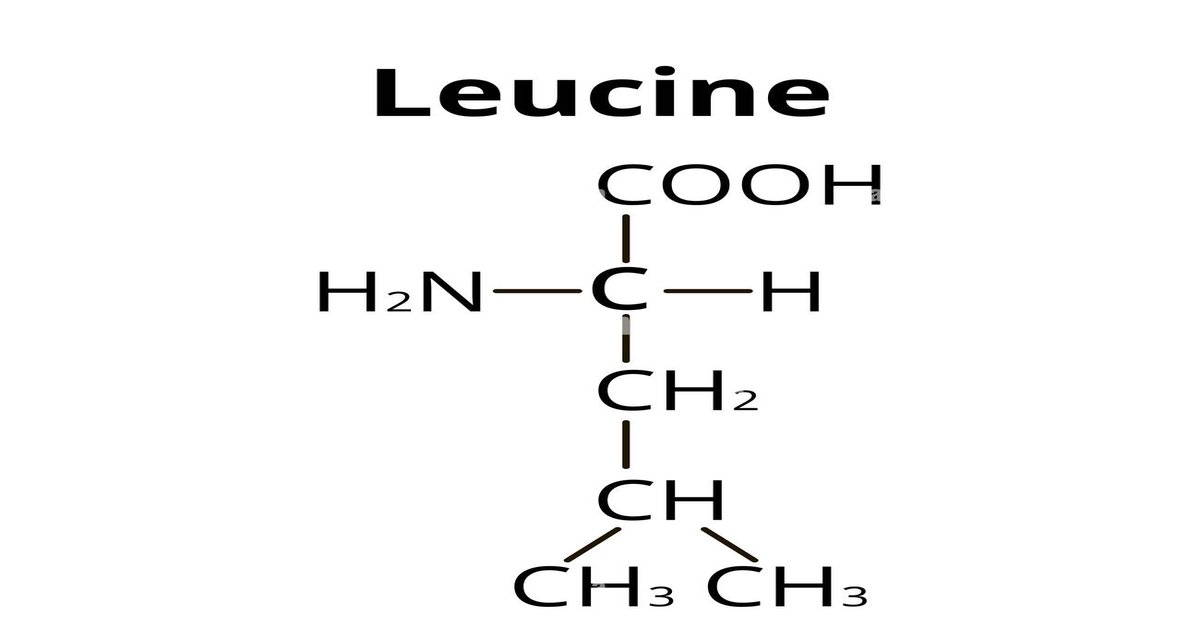
Compare cost per gram, leucine content, PDCAAS score, and digestibility across protein sources.
All data stays in your browser — we never see it.
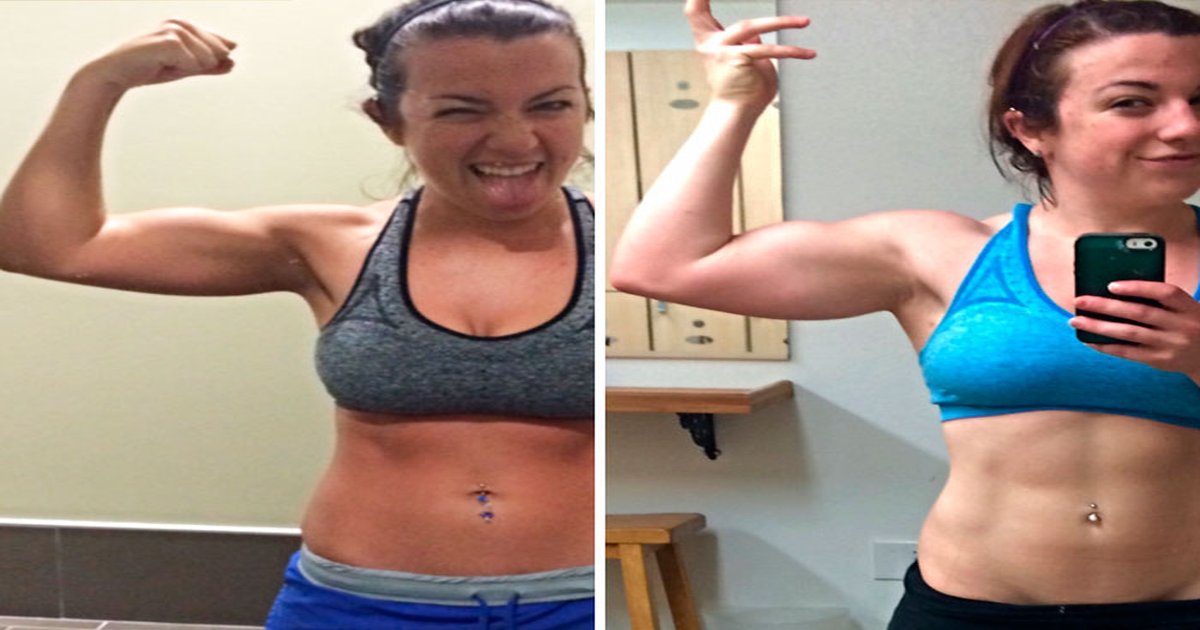
I had a client named Sara. She was plant-based, eating 140 grams of protein a day. She was 145 pounds. On paper, she was crushing it. But her strength was stalled. Her recovery was slow. She was frustrated. We ran her protein sources through a bioavailability analysis. She was eating mostly whole grains, nuts, and seeds. High fiber, great for health. Low bioavailability, terrible for muscle. Her body was only absorbing about 60-70% of that 140 grams. Maybe 90 grams total. She was effectively undereating. The Macro Split Planner helped her redesign her meals.
📊
Macro Split Planner
Enter your calorie target and protein percentage — get a daily macro split with meal-by-meal recommendations.
All data stays in your browser — we never see it.
Here's the hierarchy of protein bioavailability. Animal proteins are at the top. Whey is nearly 100% bioavailable. Egg whites are close. Chicken, beef, fish, dairy — all over 90%. Your body uses almost everything you eat. Plant proteins are lower. Soy is around 85-90%. Pea is 80-85%. Rice is 70-75%. Wheat is 60-70%. Nuts and seeds are even lower, sometimes below 50%. That doesn't mean plant protein is bad. It means you need more of it. If a meat-eater needs 150 grams, a plant-based athlete might need 170-180 grams to account for the lower bioavailability. Here in San Diego, the plant-based movement is huge. We have vegan restaurants on every corner. The farmers markets are packed with plant-based protein options. But I see too many people assuming that 30 grams from tofu is the same as 30 grams from chicken. It's not. Your body knows the difference. The local gyms are catching on. Some are now offering "bioavailability workshops" where trainers explain the difference between protein sources. It's about time. The Meal Protein Tracker can help you log your actual intake.
🍽️
Meal Protein Tracker
Log your daily meals and see protein per meal — get instant feedback on your distribution.
All data stays in your browser — we never see it.
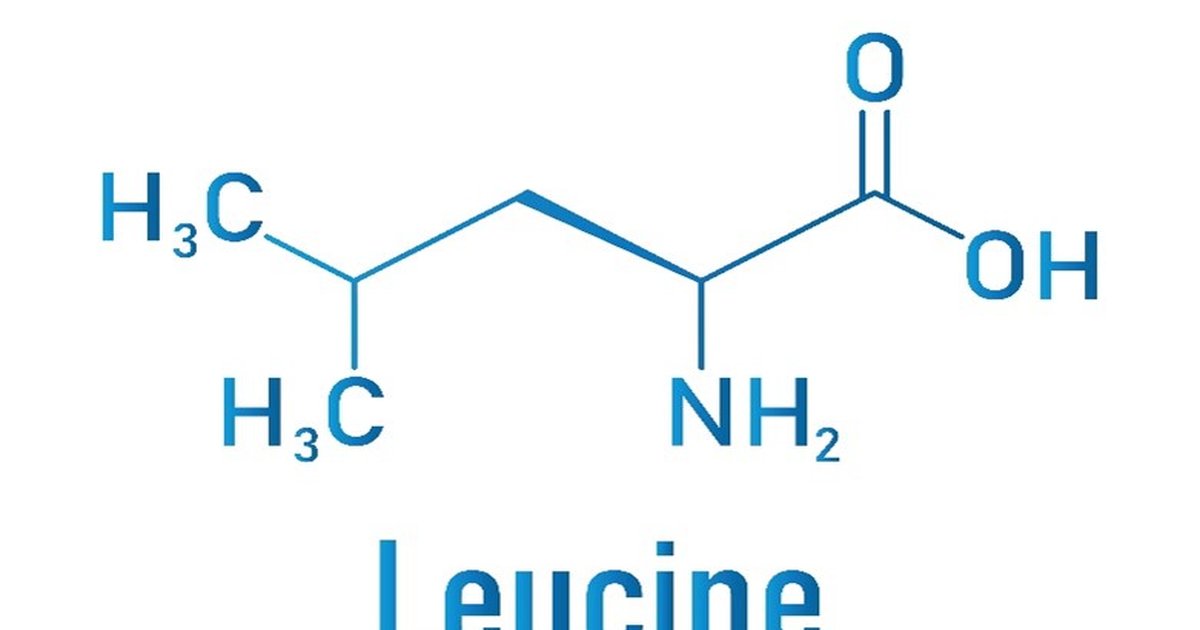
Listen, I'm not saying you need to eat meat. I'm not saying plant protein is worthless. I'm saying you need to account for bioavailability. If you're plant-based, eat more total protein. Prioritize higher bioavailability sources like soy, pea protein, and properly prepared legumes. Combine grains and legumes to improve the overall profile. Sara switched from relying on nuts and seeds to adding a pea-rice protein blend. She kept her total grams the same. But her effective protein intake went up by about 30 grams. Within a month, her strength started moving again. She hit a deadlift PR for the first time in a year. She told me “I thought I was doing everything right. I just didn't understand the science.” The science is simple. Your body doesn't care about the number on the label. It cares about what it can use. Bioavailability is the bridge between protein eaten and muscle built. The Protein Source Comparator is free. Use it to check your protein sources. You might be eating enough grams. You might not be absorbing enough. Don't let low bioavailability steal your gains.
Derek Armstrong

Derek "Dex" Armstrong

MS Exercise Physiology, CSCS, Precision Nutrition Level 2. Former collegiate strength coach turned nutrition consultant. I build calculators to settle arguments in locker rooms. San Diego based, ice cream powered.