Tutorial

Building Your First Macro-Friendly Grocery List

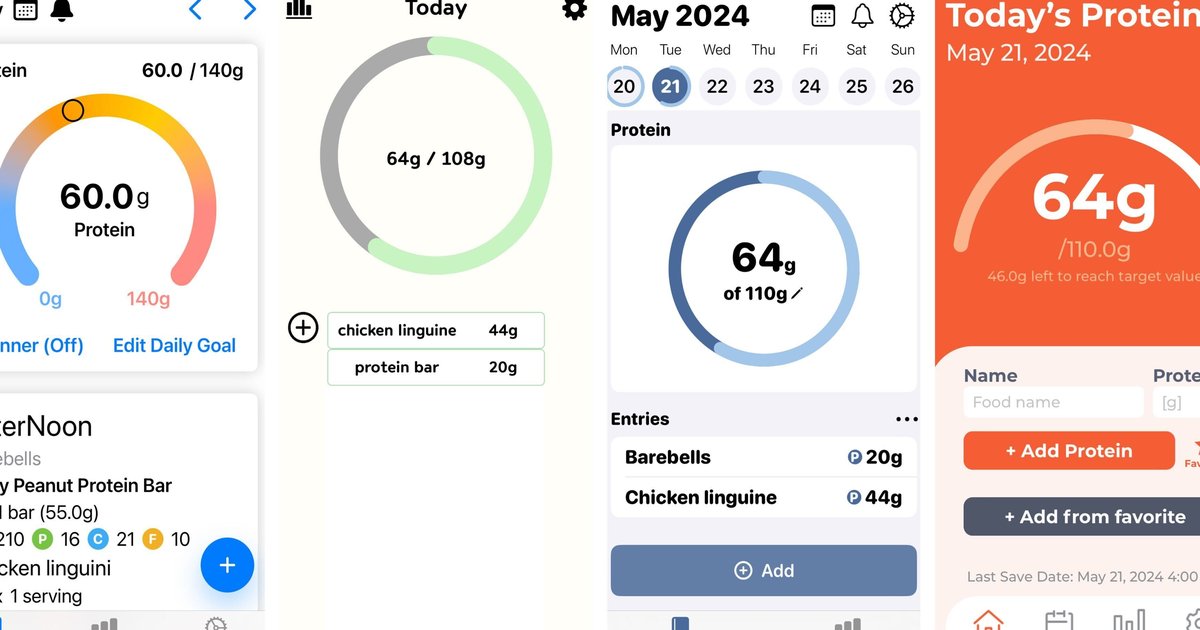
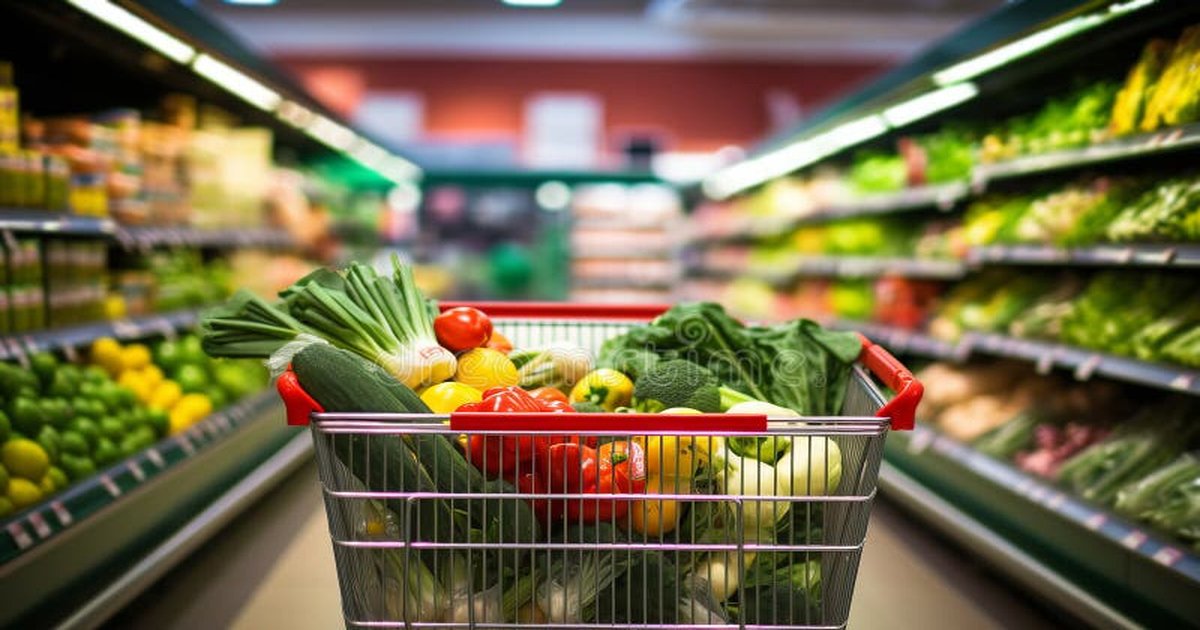
Building Your First Macro-Friendly Grocery List You walk into the grocery store. You have good intentions. You want to eat high protein. You want to hit your macros. Then you see the bakery section. The chips. The cookies. The frozen pizza. Your brain gets hijacked. You leave with a cart full of carbs and zero meal plan. The Protein Intake Calculator can tell you how much you need. But if you don't buy the right food, you won't eat it.
🥩
Protein Intake Calculator
Enter your weight, activity level, and goal — get your daily protein target in grams per pound and grams per kilogram.
All data stays in your browser — we never see it.
I've been coaching nutrition for almost a decade. I've walked dozens of clients through grocery stores. I've seen what works and what doesn't. The people who succeed are the ones who have a list. A real list. Not a mental note. A written, categorized, fridge-friendly list. The Macro Split Planner can help you plan your macros before you shop.
📊
Macro Split Planner
Enter your calorie target and protein percentage — get a daily macro split with meal-by-meal recommendations.
All data stays in your browser — we never see it.
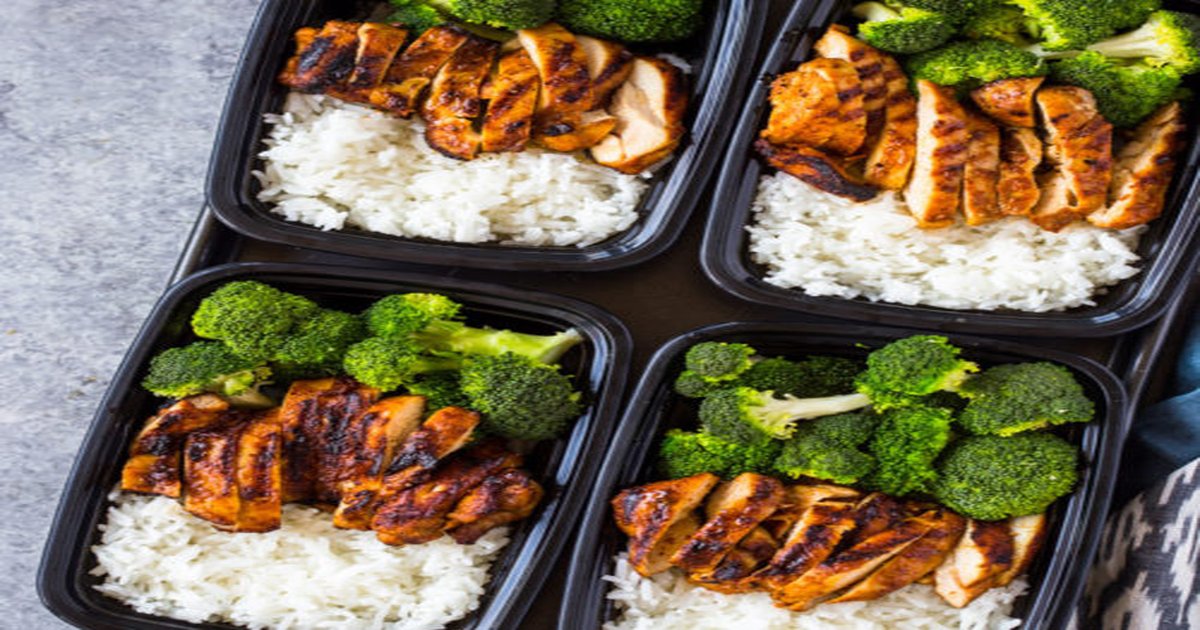
Here's my macro-friendly grocery list. Not every food in the store. Just the essentials. The staples that will get you to your protein target without breaking the bank or your willpower. The protein aisle (your priority) Chicken thighs (cheaper than breasts, juicier, harder to overcook) Lean ground beef (80/20 or 85/15 – the fat is fine) Eggs (one dozen minimum) Greek yogurt (plain, no added sugar) Cottage cheese (full fat or low fat, not nonfat – the fat helps absorption) Canned tuna (in water, not oil) Canned salmon or sardines (if you like them) Frozen fish fillets (salmon, cod, tilapia) Protein powder (whey, casein, or pea-rice blend) Tofu or tempeh (if you're plant-based or want variety) The Protein Source Comparator can help you choose between these options based on cost and quality.
🥩
Protein Source Comparator
Compare cost per gram, leucine content, PDCAAS score, and digestibility across protein sources.
All data stays in your browser — we never see it.
The carb section (for energy) White rice (easy to digest, cooks fast, cheap) Sweet potatoes (roast them, microwave them, love them) Oats (old-fashioned or quick, not instant with added sugar) Potatoes (regular, cheap, versatile) Whole grain bread or wraps (check the label – at least 4g protein per slice) Fruit (bananas, berries, apples, oranges – whatever you'll eat) Frozen vegetables (broccoli, cauliflower, bell peppers, spinach) The fat section (for hormones and flavor) Olive oil (for cooking and dressings) Avocado or avocado oil Nuts (almonds, walnuts, pecans) Nut butter (peanut, almond – no added sugar) Butter or ghee (for cooking eggs and vegetables) The condiments and flavor section Salt, pepper, garlic powder, onion powder Hot sauce (zero calories, all flavor) Mustard (almost zero calories) Soy sauce or coconut aminos Vinegar (balsamic, apple cider, rice) Herbs (dried or fresh – rosemary, thyme, oregano) The shopping strategy Shop the perimeter first. That's where the whole foods live: produce, meat, dairy, eggs. Go there first, fill your cart, then go to the aisles for rice, oats, spices, and canned goods. Avoid the center aisles with processed snacks unless they're on your list. I had a client named Monica who would go to the grocery store hungry. She'd buy chips, cookies, frozen pizzas. She'd get home, have no protein, and end up ordering takeout. We fixed her shopping time – after lunch, not before dinner – and gave her a list. Her protein intake went from 80g to 140g in two weeks without changing anything else. The Meal Protein Tracker helped her see the difference.
🍽️
Meal Protein Tracker
Log your daily meals and see protein per meal — get instant feedback on your distribution.
All data stays in your browser — we never see it.
The budget breakdown Protein doesn't have to be expensive. Chicken thighs are $2-3 per pound. Eggs are $3-4 per dozen. Canned tuna is $1 per can. Greek yogurt is $5 for a large tub. Protein powder is $1 per serving. Compare that to a takeout lunch: $12-15. A fast food dinner: $10-12. You can eat high protein for $8-10 a day if you cook at home. The Protein Source Comparator can show you the cost per gram of protein for different foods. The emergency shelf Keep shelf-stable protein for days you can't cook. Canned tuna. Canned chicken. Protein powder. Beef jerky. Canned beans. These don't go bad. They sit in your pantry. When you're too tired to cook, you have no excuse. I have a client named Kevin who travels for work. He keeps protein powder and a shaker bottle in his suitcase. He buys Greek yogurt at the hotel breakfast bar. He never misses his protein even on the road. The flexible section One treat per week. Something that fits your macros but isn't a core food. Ice cream, cookies, chips, beer. Plan for it. Log it. Don't feel guilty. I eat ice cream every Sunday. It's on my list. I buy it on purpose. I don't pretend it's a health food. I just enjoy it. The list template Print this. Put it on your fridge. Take a photo on your phone. Protein: chicken, beef, eggs, Greek yogurt, cottage cheese, tuna, protein powder, tofu Carbs: rice, sweet potatoes, oats, potatoes, bread, fruit, frozen vegetables Fats: olive oil, avocado, nuts, nut butter, butter Flavor: salt, pepper, garlic powder, hot sauce, mustard, soy sauce Emergency: canned tuna, protein powder, beef jerky, canned beans Treat: one item per week – ice cream, cookies, chips, beer The one-hour shop Don't browse. Go in with your list, get what you need, get out. I can do a full week's shopping in 30 minutes. I go to the same store, same aisles, same order. It's a routine, not a journey. Monica, the client who used to buy chips, now does her shop in 20 minutes. She told me “I used to wander for an hour. Now I'm in and out. I save time and money.” The delivery option If you hate grocery shopping, use a delivery service. Instacart, Amazon Fresh, Walmart+. The fees are worth the saved time and impulse purchases. Some clients do this exclusively. The final check Before you check out, ask yourself: do I have at least 150 grams of protein in this cart? Count quickly. Eggs: 6g each. Greek yogurt: 15g per serving. Chicken: 30g per 4oz. If you're short, go back to the meat section. The Protein Intake Calculator is free. Use it before you shop. Then make your list. Then shop the list. Don't let the grocery store win.
Derek Armstrong

Derek "Dex" Armstrong

MS Exercise Physiology, CSCS, Precision Nutrition Level 2. Former collegiate strength coach turned nutrition consultant. I build calculators to settle arguments in locker rooms. San Diego based, ice cream powered.