Concept

Understanding PDCAAS vs DIAAS: Protein Quality Scores Explained

Understanding PDCAAS vs DIAAS: Protein Quality Scores Explained Listen, I've got a confession. For years, I thought all protein was created equal. 30 grams of rice protein, 30 grams of whey, same difference, right? Wrong. Dead wrong. A client named Elena learned this the hard way. She was vegan, training hard, eating 140 grams of protein a day. Her progress was slow. Her strength was stuck. She was frustrated. We ran her numbers through the Protein Source Comparator, and the problem was clear. She was getting most of her protein from brown rice. Great total grams, terrible amino acid profile. Her DIAAS score was tanking her gains. The Protein Source Comparator can show you the real quality of your protein.
πŸ₯©
Protein Source Comparator
Compare cost per gram, leucine content, PDCAAS score, and digestibility across protein sources.
All data stays in your browser β€” we never see it.
Here's the deal. Not all protein is the same. Your body doesn't just count grams. It looks at amino acids. It looks at digestibility. Two proteins can have the same number on the label and produce completely different results in your muscles. The Protein Intake Calculator can tell you how much. But quality matters too.
πŸ₯©
Protein Intake Calculator
Enter your weight, activity level, and goal β€” get your daily protein target in grams per pound and grams per kilogram.
All data stays in your browser β€” we never see it.
The old way: PDCAAS For decades, the gold standard was PDCAAS β€” Protein Digestibility-Corrected Amino Acid Score. It looks at the amino acid profile of a protein, then adjusts for how well your body digests it overall. The score gets capped at 1.0. Anything above that gets rounded down. Sounds good. But there's a problem. PDCAAS uses fecal digestibility β€” measuring what comes out the other end. That misses something important. Bacteria in your large intestine can break down amino acids that your small intestine never absorbed. Your body doesn't get those. The score can look good on paper while your muscles see nothing. The Macro Split Planner can help you balance quality and quantity.
πŸ“Š
Macro Split Planner
Enter your calorie target and protein percentage β€” get a daily macro split with meal-by-meal recommendations.
All data stays in your browser β€” we never see it.
The new way: DIAAS DIAAS β€” Digestible Indispensable Amino Acid Score β€” is the upgrade. It measures digestibility at the ileal level, the end of your small intestine. That's where absorption actually happens. It doesn't get inflated by bacterial fermentation downstream. Here's the breakdown. Scores above 100 are "excellent." 75 to 99 are "good." Below 75, and the protein can't carry a quality claim. Period. The scores tell a different story than the old system. A pea-rice blend hits a DIAAS of 1.16 β€” that's excellent, actually better than some animal proteins. Soy isolate scores around 0.90. Pea alone, without rice, drops significantly. The Meal Protein Tracker can help you log your protein sources by quality.
🍽️
Meal Protein Tracker
Log your daily meals and see protein per meal β€” get instant feedback on your distribution.
All data stays in your browser β€” we never see it.
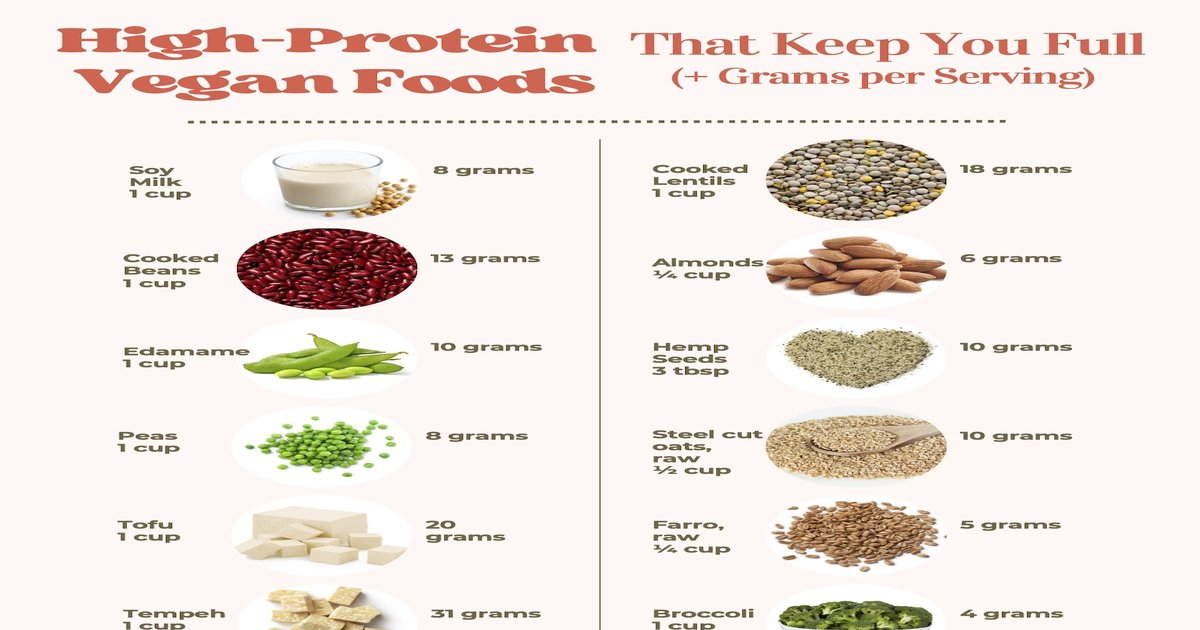
Why this matters for your gains Here's the truth. If you're eating low-quality protein, you're leaving muscle on the table. You need more total grams to hit the same leucine trigger. You need to work harder for the same results. Elena switched from straight brown rice protein to a pea-rice blend. Same total grams. Same calories. Same training. Within six weeks, her bench press moved 15 pounds. Her energy came back. She sent me a text that just said "I finally feel like I'm not fighting my food." The Protein Source Comparator can help you find the best quality for your budget. The California protein boom This isn't just gym talk. The whole industry is shifting. The US plant protein market hit about $4.12 billion in 2025, and it's climbing at nearly 4% annually through 2035. Here in San Diego, the high‑protein trend is everywhere. Jack in the Box just dropped a Fajita Protein Bowl packing 35 grams of protein. Local grocery chains are stocking clean protein bars from emerging brands. Even the Padres are getting in on it. Protein Pints became the team's official protein ice cream at Petco Park this season. That's not a typo. Protein ice cream. At a baseball stadium. The point is, protein quality isn't just for bodybuilders anymore. It's mainstream. And the science is moving fast. The federal government is paying attention too. The 2026 Dietary Guidelines flipped the script, recommending a 6:4 ratio of plant to animal protein β€” six grams of plant protein for every four grams from animals. That's a massive shift. And it means understanding protein quality isn't optional. It's essential. How to use these scores in real life First, don't obsess over hitting a perfect DIAAS at every meal. That's not practical. But use the scores as a guide. Whey is still king β€” DIAAS 1.09, PDCAAS 1.0. Eggs are right up there. Chicken, beef, fish β€” all excellent. If you're plant-based, you need a strategy. Pea protein alone has decent amino acids but lower digestibility. Blends are the answer. Pea plus rice covers each other's gaps. The combo hits a DIAAS of 0.82, which is solid. Recent research shows pea-rice blends match whey for muscle protein synthesis when total daily protein is matched. The global vegan protein blend market is growing at over 8% annually, expected to hit nearly $600 million by 2034. That's not hype. That's people figuring out what actually works. The bottom line Stop counting grams like they're all the same. They're not. 30 grams of pea-rice blend builds more muscle than 40 grams of straight brown rice, even though the label says less. Elena still trains. She still eats plant-based. But she uses the Protein Source Comparator before she buys anything. She knows her DIAAS. She knows her leucine. And she's still gaining. The Protein Source Comparator is free. Use it before you buy your next tub.
Derek Armstrong

Derek "Dex" Armstrong

MS Exercise Physiology, CSCS, Precision Nutrition Level 2. Former collegiate strength coach turned nutrition consultant. I build calculators to settle arguments in locker rooms. San Diego based, ice cream powered.