Tutorial

How to Read a Nutrition Label for Protein Quality

How to Read a Nutrition Label for Protein Quality The bag said “20g protein per serving.” My client, a college student named Ryan, bought it. He ate the whole bag. He thought he was getting 20 grams. He was wrong. The serving size was half the bag. The Protein Intake Calculator can tell you your target. But if you can't read a label, you'll never hit it.
🥩
Protein Intake Calculator
Enter your weight, activity level, and goal — get your daily protein target in grams per pound and grams per kilogram.
All data stays in your browser — we never see it.
Ryan was eating 120 grams of protein a day. Or so he thought. He was actually eating 60 because he was misreading labels. He was frustrated. He was training hard. He wasn't growing. The Macro Split Planner can help you plan, but first you need to know what you're actually eating.
📊
Macro Split Planner
Enter your calorie target and protein percentage — get a daily macro split with meal-by-meal recommendations.
All data stays in your browser — we never see it.
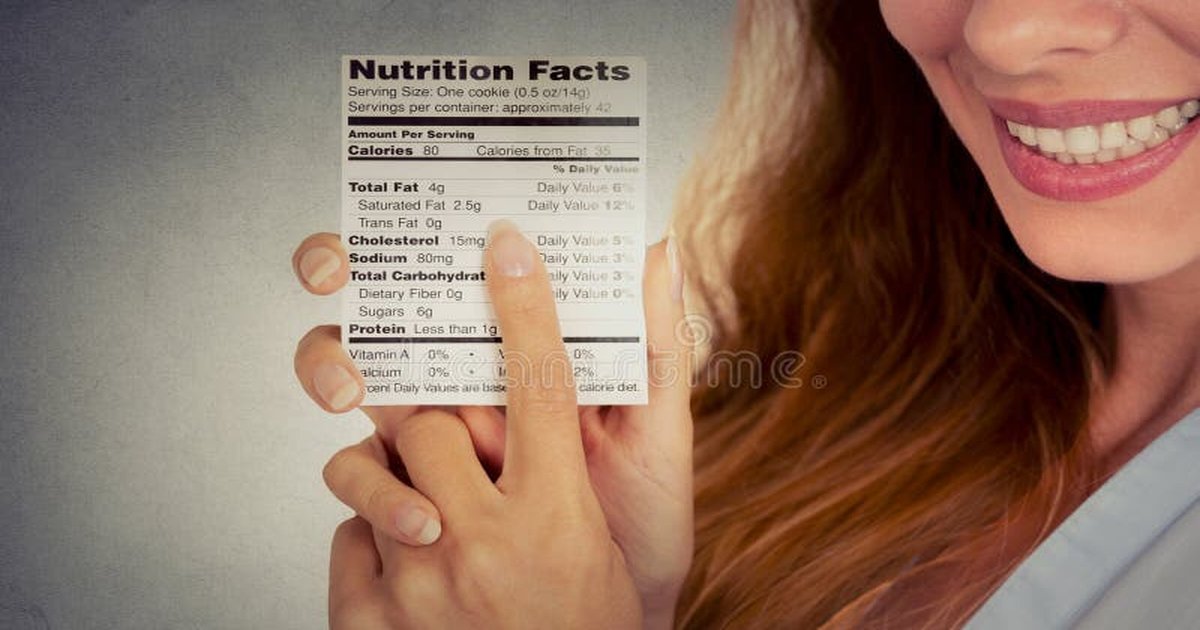
Let me teach you how to read a nutrition label like a pro. Not like a grocery store browser. Like someone who cares about their protein. The serving size trap Always, always, always check the serving size first. It's at the top of the label. The numbers below are for that serving. Not for the whole package. I had a client buy a protein bar that said 20g protein. He ate one. He thought he was done. The serving size was two bars. He needed to eat two to get 20 grams. He was getting 10. Same with drinks. A protein shake that says 25g protein might be for one scoop. The bottle might have two scoops. Read the label. The Meal Protein Tracker can help you log accurate numbers once you know the serving size.
🍽️
Meal Protein Tracker
Log your daily meals and see protein per meal — get instant feedback on your distribution.
All data stays in your browser — we never see it.
The protein number Look for the grams of protein per serving. That's your number. Not the percentage. Not the daily value percentage (that's based on 50g/day, which is for sedentary people). Just the grams. But here's where it gets tricky. Not all protein is created equal. The label doesn't tell you the amino acid profile. It doesn't tell you digestibility. It just tells you the total nitrogen content. The Protein Source Comparator can help you compare quality across labels.
🥩
Protein Source Comparator
Compare cost per gram, leucine content, PDCAAS score, and digestibility across protein sources.
All data stays in your browser — we never see it.
The ingredient list Flip the package over. The ingredient list tells you what's actually in the food. Ingredients are listed in descending order by weight. If sugar is first, there's more sugar than anything else. For protein quality, look for whole food sources first. Chicken, eggs, Greek yogurt, cottage cheese, beef, fish. If you're eating processed food, look for whey, casein, soy, pea, or egg white protein. Avoid mysterious “protein blends” that don't specify the source. Also check for fillers. Some protein bars use collagen, which is incomplete. It's missing tryptophan. It won't trigger muscle protein synthesis as well as whey or soy. The sugar and fat check Not directly related to protein, but important. If you're eating a protein bar with 20g protein but also 20g sugar, that's a candy bar with extra steps. Fine for a treat. Not fine for a daily protein source. Look for less than 5g sugar per serving for a meal replacement. For a protein powder, zero or one gram. Fat is fine. Healthy fats are good. But if you're trying to keep calories in check, avoid protein sources with 15g of fat from saturated sources. The serving size reality check Here's a practical example. A can of tuna says “2 servings, 20g protein per serving.” The can has 40g total. Most people eat the whole can. That's fine. But track it as 40g, not 20. A bag of frozen chicken strips says “3 servings, 15g protein per serving.” The bag has 45g total. If you eat the whole bag, that's 45g. A scoop of protein powder is one serving. But scoops vary by brand. Weigh your scoop once to know what you're actually getting. Ryan, the college student, learned this lesson. He was eating protein bars that said “20g protein” but the serving size was 2 bars. He was eating 1 bar, getting 10g. He thought he was at 120g. He was at 60g. We fixed his label reading. Within a month, his strength started moving. He gained 5 pounds. He told me “I can't believe I was cheating myself for two years.” The fine print Some labels have “protein” from added collagen or gelatin. These are incomplete proteins. They're missing one or more essential amino acids. They won't build muscle the same way. The label won't tell you this. You have to know. Collagen is missing tryptophan. Gelatin is missing tryptophan and other aminos. They're great for joints. Not for muscles. If you see “whey protein concentrate” or “whey protein isolate” or “soy protein isolate” or “pea protein isolate” – those are complete or near-complete. Good. If you see “hydrolyzed collagen” or “beef protein isolate” – those are often incomplete. Check the amino acid profile. The Protein Source Comparator can help you decode these terms. The certificate check Third-party certifications matter. Look for NSF Certified for Sport or Informed Choice. These mean the product has been tested for banned substances and label accuracy. Supplements are not regulated by the FDA. The label could be lying. A study in 2024 tested 50 protein powders. 30% had more or less protein than the label claimed. 10% had undeclared stimulants. Trust third-party certification. Not the marketing. The practical test Here's how to know if you're reading labels correctly. For one week, weigh everything. Don't trust package claims. Weigh your chicken. Weigh your rice. Weigh your protein powder. Compare to the label. You'll be surprised. A “6oz chicken breast” might be 8oz. A “quarter cup of rice” might be half a cup. A “scoop of protein” might be 1.5 scoops. I did this with a client named David. He thought he was eating 180g protein. He was actually eating 130g. He was missing 50g a day. We fixed his portioning. His gains started. The brand variation Different brands of the same food can have different protein contents. Greek yogurt ranges from 12g to 20g per serving depending on brand and straining. Cottage cheese ranges from 11g to 15g. Bread ranges from 3g to 8g per slice. Read the label every time you buy a new brand. Don't assume. The restaurant trap Restaurant foods don't have labels. You have to estimate. Use the nutrition information from similar chain restaurants. Add 20% for hidden butter and oil. Overestimate, not underestimate. I had a client who ate out every lunch. He thought he was getting 40g protein from his salad with chicken. He was getting maybe 25g because the portion was small. We switched him to bring lunch. His protein intake went up. His results improved. The bottom line Reading a nutrition label is not hard. But you have to do it. Every time. Not just the first time you buy a product. Check the serving size. Check the protein grams. Check the ingredient list. Check for third-party certification. The Protein Intake Calculator is free. The Macro Split Planner is free. The Meal Protein Tracker is free. The label is also free. Use it. Ryan fixed his diet. He's now 170 pounds, lean, strong. He reads every label. He told me “I feel like I was walking around blind for years.” Don't be blind. Read the label.
Derek Armstrong

Derek "Dex" Armstrong

MS Exercise Physiology, CSCS, Precision Nutrition Level 2. Former collegiate strength coach turned nutrition consultant. I build calculators to settle arguments in locker rooms. San Diego based, ice cream powered.