Concept

Protein Leverage Hypothesis: Why Low Protein Makes You Overeat

Protein Leverage Hypothesis: Why Low Protein Makes You Overeat You ever notice how you can eat a huge bowl of pasta and feel hungry again two hours later? Or crush a bag of pretzels and still want something else? That's not a lack of willpower. That's your body screaming for protein. The Protein Intake Calculator can help you figure out how much you actually need.
🥩
Protein Intake Calculator
Enter your weight, activity level, and goal — get your daily protein target in grams per pound and grams per kilogram.
All data stays in your browser — we never see it.
The protein leverage hypothesis is simple. Humans don't eat to a calorie target. They eat to a protein target. Your body has a built-in protein sensor. When you don't hit your protein needs, you keep eating. Even if you've already had enough calories. Even if you're not hungry. Your body will keep searching until it finds that missing protein. The Macro Split Planner can help you build meals that actually satisfy.
📊
Macro Split Planner
Enter your calorie target and protein percentage — get a daily macro split with meal-by-meal recommendations.
All data stays in your browser — we never see it.
I had a client named Rachel. She was eating 1,800 calories a day, trying to lose weight. She was hungry all the time. She'd eat her meals, then snack, then snack again. She thought she had no willpower. She thought she was broken. The Meal Protein Tracker showed the problem. She was eating 80 grams of protein a day. At her weight, she needed 140. She was off by 60 grams.
🍽️
Meal Protein Tracker
Log your daily meals and see protein per meal — get instant feedback on your distribution.
All data stays in your browser — we never see it.
We kept her calories at 1,800. But we bumped her protein to 140 grams. Same calories. Less carbs, less fat. Her hunger disappeared. She stopped snacking. She lost 12 pounds in three months and told me “I'm not fighting myself anymore.” The research backs this up. A 2024 study from the University of Sydney gave people access to three different diets. One was low protein, high carb. One was moderate protein. One was high protein. The low protein group ate significantly more total calories. They kept eating until they hit their protein target, even if it meant eating 500 extra calories a day. The protein leverage hypothesis explains the obesity epidemic. Processed foods are low in protein and high in calories. You eat a bag of chips, you get 200 calories and 2 grams of protein. Your body says “not enough protein, keep going.” You eat another bag. Another. Pretty soon you've eaten 1,000 calories and your protein target is still not hit. Listen, I'm not making this up. This is one of the most robust findings in nutrition science. The effect has been replicated across dozens of studies. Here in San Diego, the conversation around protein is changing. California just passed a new school lunch bill requiring at least 15 grams of protein per meal. That's huge. That's the state acknowledging that protein isn't just for bodybuilders. It's for kids. It's for everyone. The plant protein market is exploding here too. San Diego's food tech scene is pumping out new pea and soy isolates. Local brands are popping up at farmers markets. People are finally realizing that protein isn't just chicken and whey. The Protein Source Comparator can help you navigate the options.
🥩
Protein Source Comparator
Compare cost per gram, leucine content, PDCAAS score, and digestibility across protein sources.
All data stays in your browser — we never see it.
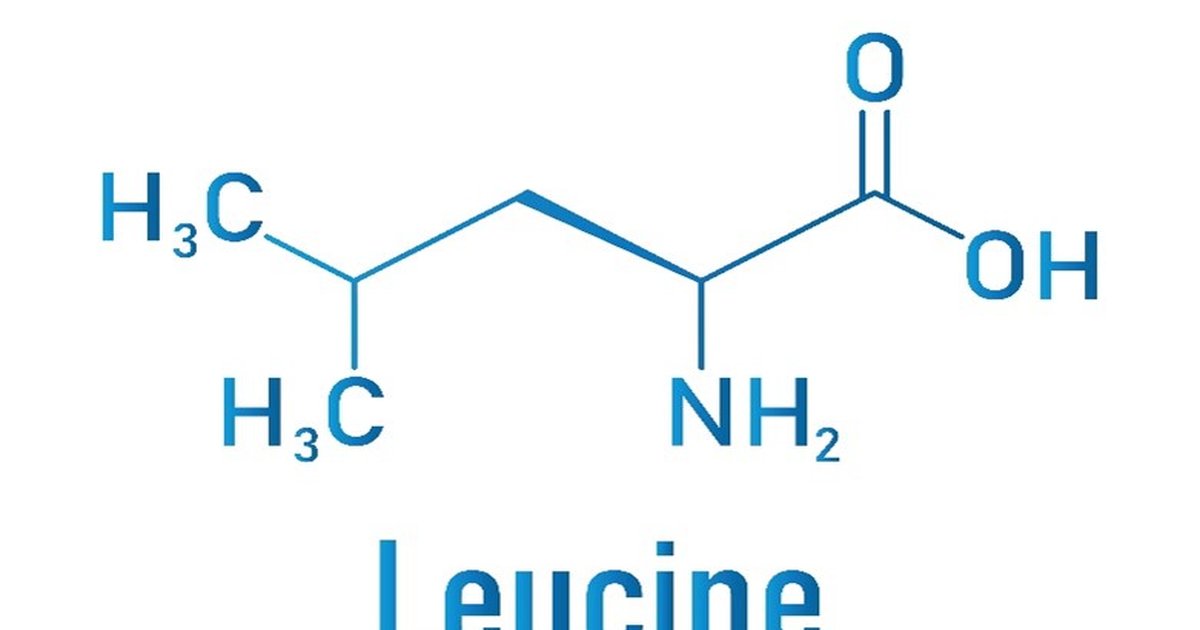
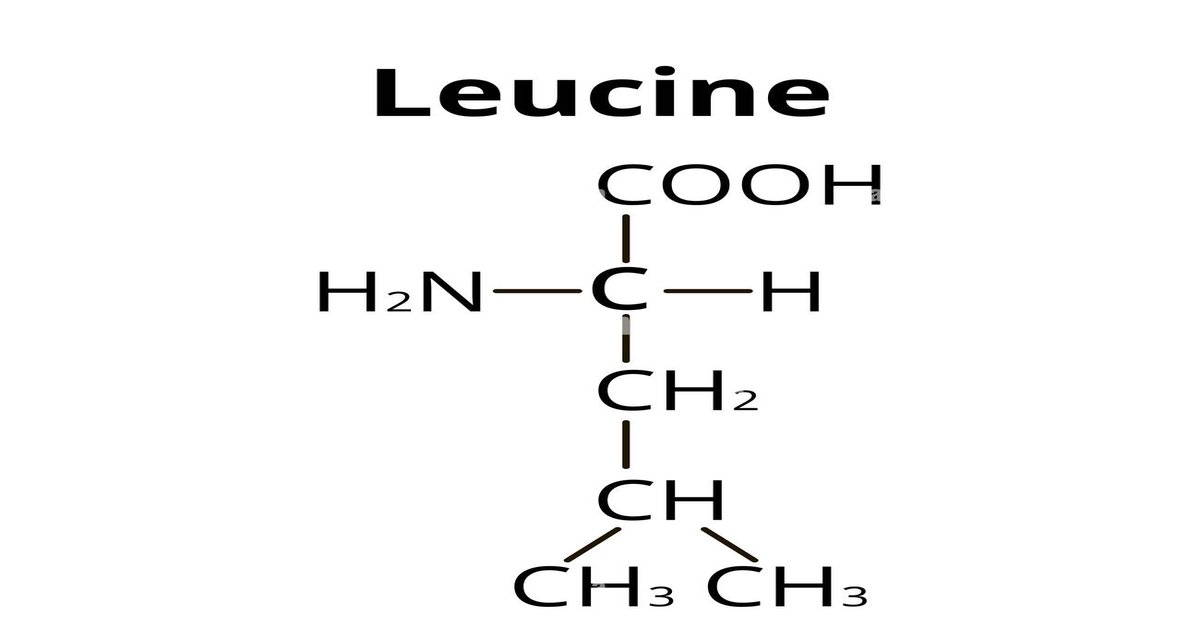
But here's the catch. Not all protein is equally satiating. A 2025 study compared whey, soy, and pea protein for appetite suppression. Whey and soy reduced hunger more than pea, likely because of their higher leucine content. The protein leverage hypothesis works best when the protein you eat is high quality. That's why I tell my clients to prioritize animal protein or well-designed plant blends. Not bread. Not pasta. Not chips. Actual protein. If you're hungry all the time, if you're snacking uncontrollably, if you can't stop thinking about food, check your protein. I bet you're under. Rachel still eats 1,800 calories a day. She's now 135 pounds, down from 155. She eats 140 grams of protein. She's not hungry. She's not fighting herself. The protein leverage hypothesis changed her life. It can change yours too.
Derek Armstrong

Derek "Dex" Armstrong

MS Exercise Physiology, CSCS, Precision Nutrition Level 2. Former collegiate strength coach turned nutrition consultant. I build calculators to settle arguments in locker rooms. San Diego based, ice cream powered.