Concept

Understanding Protein Requirements for Different Life Stages

Understanding Protein Requirements for Different Life Stages The RDA says 0.8 grams of protein per kilogram of body weight. That number is drilled into every nutrition textbook. It's on government websites. Doctors repeat it. But that number is for sedentary adults who sit at desks, watch TV, and rarely exercise. The Protein Intake Calculator can help you find the right number for your life stage.
🥩
Protein Intake Calculator
Enter your weight, activity level, and goal — get your daily protein target in grams per pound and grams per kilogram.
All data stays in your browser — we never see it.
I had a client named Helen. She was 68 years old, retired, active. She walked her dog daily, did yoga twice a week, and lifted light weights. She was losing muscle. Her doctor told her to eat more protein. She thought she was eating plenty. She wasn't. The Macro Split Planner can help different generations find their sweet spot.
📊
Macro Split Planner
Enter your calorie target and protein percentage — get a daily macro split with meal-by-meal recommendations.
All data stays in your browser — we never see it.
Here's the truth. Protein needs change across your lifespan. A teenager building a body needs different amounts than a 40-year-old maintaining muscle. A pregnant woman needs more than a non-pregnant woman. An elderly person needs more than a young adult. Let me walk you through each life stage. Children and adolescents (4-18 years). Growing bodies need protein for tissue development. The RDA for kids is 0.9-1.0 grams per kilogram. But active kids need more. A teenage athlete needs 1.4-1.7 grams per kilogram. That's double the RDA. I had a client named Jake. He was 15, a competitive swimmer. He was eating 60 grams of protein a day. He was 65 kilograms. That's less than 1 gram per kilogram. His times were plateauing. His recovery was slow. We bumped his protein to 110 grams. Within six weeks, his times dropped. He felt stronger in the water. Young adults (19-30 years). This is the prime building window. Muscle protein synthesis is most sensitive to protein. Needs are 1.6-2.2 grams per kilogram for active individuals. Lower end for maintenance, higher end for growth. Here in San Diego, college athletes are getting smarter about protein. SDSU's sports nutrition program now emphasizes higher protein intakes. Local high schools are following suit. Adults (31-50 years). Maintenance phase. Needs are 1.2-1.6 grams per kilogram for active adults. Lower if sedentary, higher if training hard. This is where most people start to slip. Life gets busy. Jobs, kids, mortgages. Protein becomes an afterthought. The Meal Protein Tracker can help busy adults stay on track.
🍽️
Meal Protein Tracker
Log your daily meals and see protein per meal — get instant feedback on your distribution.
All data stays in your browser — we never see it.
Older adults (65+ years). This is the most critical stage. Sarcopenia — age-related muscle loss — starts around age 40 and accelerates after 65. Protein needs go up, not down. The research is clear: older adults need 1.2-1.5 grams per kilogram minimum. Some studies suggest up to 2.0 grams per kilogram for active seniors. The Protein Source Comparator can help older adults choose high-quality, easy-to-digest proteins.
🥩
Protein Source Comparator
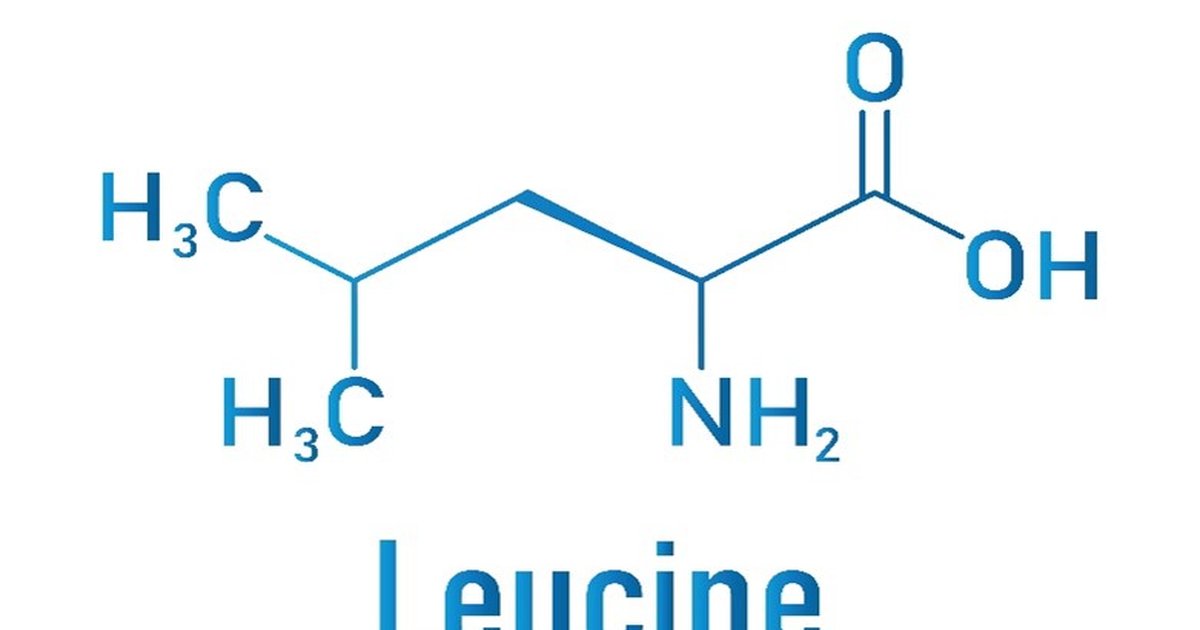
Compare cost per gram, leucine content, PDCAAS score, and digestibility across protein sources.
All data stays in your browser — we never see it.
Helen was 68, 130 pounds. She was eating 50 grams of protein a day. That's 0.8 grams per kilogram — the RDA for a sedentary young adult. For her age, she needed 80-100 grams. She was under by 40 grams. Her muscle loss was accelerating. We added protein to every meal. Eggs at breakfast. Greek yogurt as a snack. Chicken at lunch. Cottage cheese before bed. Her total went to 90 grams. Within three months, her grip strength improved. Her dog walks felt easier. She told me “I didn't think I could feel stronger at my age. I was wrong.” Pregnancy and lactation. Needs increase. The Institute of Medicine recommends an additional 25 grams per day during pregnancy. That's not optional. That's for the baby's growth and the mother's tissue expansion. A client named Diana was pregnant, eating her normal 70 grams a day. She was 140 pounds, active. She needed 95 grams. We added a daily protein shake and Greek yogurt. Her energy improved. Her doctor was impressed with her weight gain pattern — steady, healthy. Injury recovery and illness. Protein needs skyrocket. Burn patients need up to 2.5 grams per kilogram. Surgery recovery needs 1.5-2.0. Don't guess. Consult a dietitian. Listen, the RDA is not wrong. It's just minimal. It's the amount to prevent deficiency, not to thrive. Not to build muscle. Not to age well. Here in San Diego, the conversation around protein and aging is shifting. Senior centers are adding protein-rich meals. Retirement communities are offering resistance training classes. People are living longer and want to live better. Helen still walks her dog. She still lifts light weights. She's 70 now, still strong. She told me “I wish I knew this twenty years ago.” Better late than never.
Derek Armstrong

Derek "Dex" Armstrong

MS Exercise Physiology, CSCS, Precision Nutrition Level 2. Former collegiate strength coach turned nutrition consultant. I build calculators to settle arguments in locker rooms. San Diego based, ice cream powered.