Concept

What Is Peri-Workout Nutrition and Do You Need It?

What Is Peri-Workout Nutrition and Do You Need It? You've seen the guys at the gym with their shaker bottles. They sip during sets. They chug after. They have pre-workout, intra-workout, post-workout. All different powders. All different colors. It looks complicated. It doesn't have to be. The Protein Intake Calculator can tell you how much you need overall.
🥩
Protein Intake Calculator
Enter your weight, activity level, and goal — get your daily protein target in grams per pound and grams per kilogram.
All data stays in your browser — we never see it.
Peri-workout nutrition is just fancy talk for what you eat before, during, and after training. Pre, intra, post. That's it. And for most people, it's overcomplicated. I had a client named Mike who was spending $150 a month on intra-workout BCAAs, carb powders, and electrolyte mixes. He thought he needed them to perform. He thought they were the secret to his gains. I asked him what he ate before the gym. He said “nothing, I train fasted.” I asked what he ate after. “Whatever, whenever.” The Macro Split Planner can help you plan around your workout.
📊
Macro Split Planner
Enter your calorie target and protein percentage — get a daily macro split with meal-by-meal recommendations.
All data stays in your browser — we never see it.
Here's the truth. If you eat a meal with 30-40 grams of protein and some carbs 1-2 hours before training, you don't need intra-workout anything. Your blood is already full of amino acids and glucose. Your muscles have fuel. If you train first thing in the morning, fasted, then yes, you should eat protein soon after. But you still don't need a fancy intra-workout drink. A protein shake post-workout is fine. Or breakfast with eggs and oatmeal. The Meal Protein Tracker can help you see if your peri-workout nutrition is working.
🍽️
Meal Protein Tracker
Log your daily meals and see protein per meal — get instant feedback on your distribution.
All data stays in your browser — we never see it.
Let me break down what actually matters. The pre-workout meal. Eat 1-2 hours before training. Include 30-40g protein and some carbs. The protein gives your muscles amino acids during the workout. The carbs give you energy. A chicken and rice bowl. Greek yogurt with fruit and granola. A protein shake with a banana. Don't eat a huge meal right before. You'll feel sick. Don't train fasted unless you're doing it for a specific reason and you're okay with potentially less energy. The intra-workout supplement. Most people don't need this. If your workout is under 90 minutes and you ate before, you're fine. The only people who might benefit are endurance athletes training for 2+ hours, or bodybuilders doing marathon sessions. For the rest of us, water is enough. I had a client named Jenna who was convinced she needed BCAAs during her workout. She was spending $50 a month on flavored powder. I asked her to try two weeks without it. She didn't notice any difference in energy, strength, or recovery. She canceled her subscription. The post-workout meal. This matters, but not as urgently as supplement companies claim. Your muscles are sensitive to protein for 24-48 hours after training. Not 30 minutes. A 2025 study from the University of Texas found that total daily protein intake predicted muscle growth, not post-workout timing. That said, eating within 2-3 hours after training is a good habit. It ensures you don't skip a meal. It helps with recovery. Aim for 30-40g of protein plus carbs to replenish glycogen. The protein shake after training is convenient. Real food is better but not necessary. Here in San Diego, the fitness culture is intense. People are at the gym at 5 AM, at the beach by 7 AM, at work by 9 AM. They don't have time for complicated peri-workout rituals. They need simple, effective nutrition. The local supplement scene is evolving. San Diego-based brands are moving away from BCAAs and toward complete protein sources. The market is catching up to the science. Listen, I'm not anti-supplement. I use protein powder. I use creatine. But I don't use intra-workout mixes. I don't use BCAAs. I don't think most people need them. The Protein Source Comparator can help you choose a simple, effective protein powder.
🥩
Protein Source Comparator
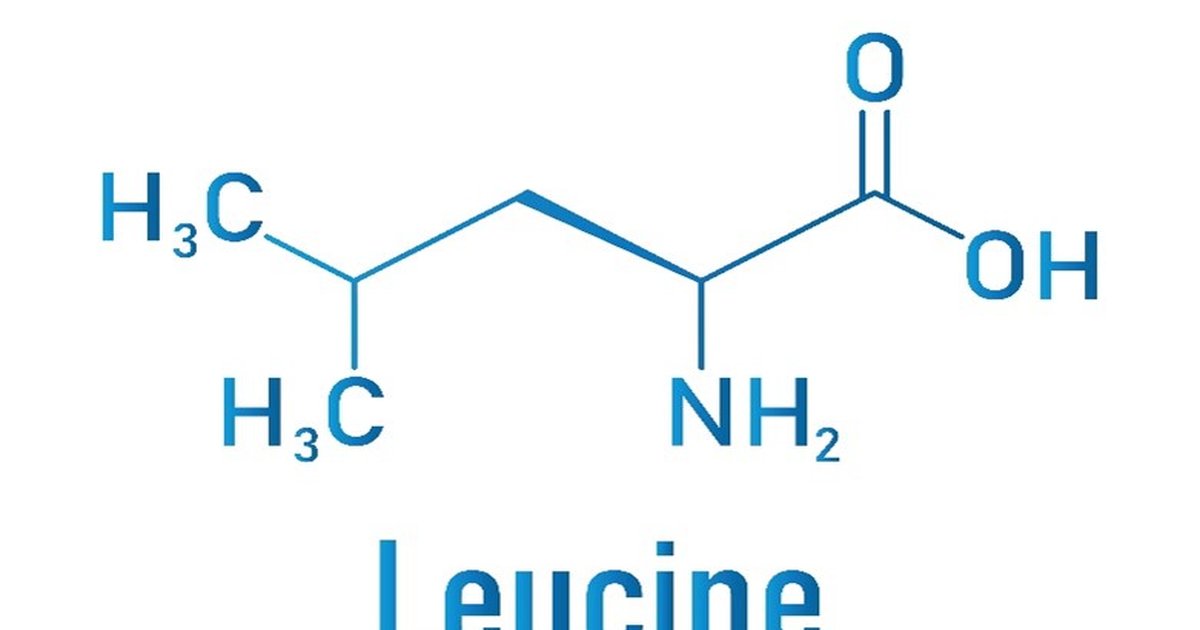
Compare cost per gram, leucine content, PDCAAS score, and digestibility across protein sources.
All data stays in your browser — we never see it.
Here's your peri-workout checklist. Before training: eat a meal with 30-40g protein and carbs 1-2 hours prior. During training: drink water. That's it. If you're training for 2+ hours, consider a carb electrolyte drink. Not BCAAs. After training: eat a meal with 30-40g protein within 2-3 hours. That's it. That's peri-workout nutrition. Mike canceled his intra-workout subscriptions. He started eating a pre-workout meal. He saved $100 a month. His strength went up. He told me “I was paying for stuff I didn't need.” The Meal Protein Tracker is free. Use it to see if your peri-workout nutrition is working. If you're hitting your daily protein target, your timing probably doesn't need to be perfect. Don't overcomplicate it. Eat protein. Train hard. That's 90% of the battle.
Derek Armstrong

Derek "Dex" Armstrong

MS Exercise Physiology, CSCS, Precision Nutrition Level 2. Former collegiate strength coach turned nutrition consultant. I build calculators to settle arguments in locker rooms. San Diego based, ice cream powered.